Foosball Table Size in Feet: Ultimate Guide to Perfect Fit
Are you thinking about adding a foosball table to your game room or office? One of the first things you need to know is the right foosball table size in feet that fits your space perfectly.
Choosing the wrong size can mean cramped play or wasted room, and nobody wants that. In this guide, you’ll discover the standard foosball table dimensions, how much space you actually need around it, and tips to pick the perfect size for your needs.
By the end, you’ll be confident about making the best choice so your foosball games are always fun, comfortable, and competitive. Keep reading to find out everything you need to know about foosball table sizes!

Credit: premoli-automobiles.com
Standard Foosball Table Sizes
Standard foosball table sizes vary based on purpose and space. Understanding these sizes helps you choose the right table. Most foosball tables fit into three categories. These include regulation, home use variations, and compact models. Each has distinct dimensions in feet.
Regulation Dimensions In Feet
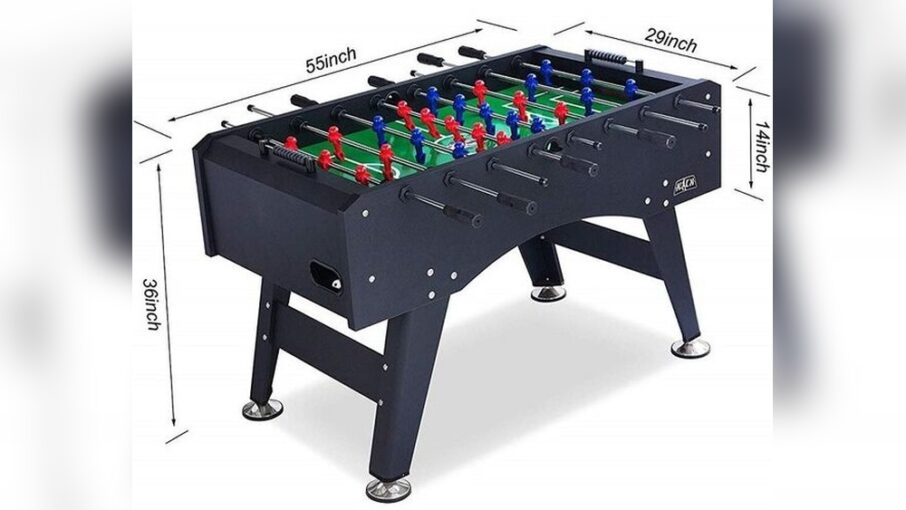
Regulation foosball tables measure about 5 feet long and 2 feet wide. The height is usually around 3 feet. These sizes meet official game standards. The playing field is approximately 48 inches by 27 inches. This size allows proper player movement and ball control. Tournaments and leagues use these tables for fairness.
Variations For Home Use
Home foosball tables often differ from regulation sizes. They can be slightly smaller or larger. Common sizes range from 4.5 to 5.5 feet in length. Widths vary between 2 to 2.5 feet. Heights remain close to 3 feet for comfortable play. These tables fit better in living rooms and game rooms. They balance playability and space constraints.
Compact And Mini Tables
Compact foosball tables suit small rooms or children. They typically measure around 3 to 4 feet long. Widths can be 1.5 to 2 feet. Heights are shorter, often under 3 feet. Mini tables are portable and easy to store. Their smaller size limits player movement and speed. These tables focus on fun rather than competition.
Measuring Your Space
Measuring your space is the first step before placing a foosball table. Knowing the exact room size helps avoid tight spots and cramped play. It ensures comfort for everyone playing. Taking simple measurements in feet gives a clear idea of what fits best.
Consider not just the table size but also room for players to move freely. A well-measured space creates a better gaming experience and prevents accidents or damage to walls and furniture. Planning the layout carefully helps keep the room inviting and functional.
Room Size Requirements
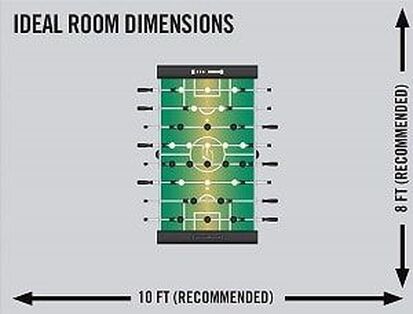
A standard foosball table measures about 5 feet long and 2.5 feet wide. The room needs to be at least 10 feet by 7 feet to allow enough space. This size lets players stand comfortably on both sides without feeling squeezed. Smaller rooms may require compact tables or alternate placements.
Allowing Player Movement
Players need space to move and swing the rods easily. Leave at least 3 feet around the table on each side. This space gives room for arm movement and quick reactions. Crowded areas limit play and increase the chance of bumping into objects or people.
Optimal Table Placement
Place the foosball table in the center of the space for balanced play. Avoid corners or spots too close to doors and windows. Keep the table away from fragile items and furniture. Good lighting is also important to see the game clearly and enjoy the play.
Choosing Based On Player Type
Choosing a foosball table size depends greatly on who will be playing. Different player types need different table sizes to enjoy the game fully. Matching the table size with the player’s skills and age improves comfort and play quality.
Consider space, player height, and skill level when selecting a table. Small tables may suit young or new players, while larger ones fit adults and competitive players better.
Adult Foosball Table Sizes
Adult foosball tables usually measure around 5 feet long. This size allows enough room for quick, skillful moves. The standard width is about 2.5 feet, providing good reach for adult players.
Tables in this size range suit casual home use and social play. They offer a balance between space and playability. Adults find these tables comfortable and engaging.
Kids And Beginner Tables
Tables for kids and beginners are smaller, often 3 to 4 feet long. These sizes help younger players reach all rods easily. Smaller tables reduce the playing area, making the game less complex.
This size promotes fun and learning. It encourages beginners to improve without feeling overwhelmed. Kids enjoy a table scaled to their size and strength.
Tables For Competitive Play
Competitive foosball tables usually follow official regulation sizes. These tables measure about 56 inches long and 30 inches wide. Regulation tables have precise rod spacing and player configurations.
Players need enough space for fast, strategic moves. These tables are heavier and sturdier for intense play. Serious players benefit from the authentic feel and challenge.
Material And Build Impact On Size
The material and build of a foosball table greatly influence its size in feet. Different materials affect the table’s weight, durability, and overall dimensions. These factors decide whether the table suits your space and playing style. Understanding these differences helps you choose the right table for your room and needs.
Wood Vs. Metal Frames
Wood frames offer a classic look and sturdy feel. They often add extra weight and thickness to the table. Metal frames tend to be thinner and lighter. They provide a modern appearance and resist wear better. Size-wise, wood tables may need more space due to their bulkier build. Metal tables can fit in tighter spaces because of their slim profile.
Portable Vs. Fixed Tables
Portable foosball tables are designed for easy movement. They usually have foldable legs or wheels. This flexibility often means a smaller or more compact size in feet. Fixed tables are built for stability and long-term use. They are larger and heavier to prevent wobbling during play. The fixed models require a dedicated space, while portable ones can be stored after use.
Weight Considerations
The table’s weight affects its size and placement. Heavier tables with solid materials stay stable during intense games. They often have thicker legs and wider bases, increasing their footprint. Lighter tables are easier to move but may need more floor space to stay balanced. Choose a table weight that fits your room size and how often you move it.
Converting Dimensions: Feet To Meters
Understanding foosball table size is crucial for players and buyers worldwide. Many countries use feet, while others prefer meters. Converting these dimensions ensures clarity in measurements. It helps avoid confusion about space and table size.
This section explains how to convert feet to meters. It also compares common sizes internationally. Knowing these facts makes choosing or placing a foosball table easier.
Common Conversion Factors
One foot equals 0.3048 meters. To convert feet to meters, multiply feet by 0.3048. For example, a 5-foot table is 1.524 meters long.
Conversely, to convert meters to feet, multiply meters by 3.2808. A 1.2-meter table is about 3.94 feet. These simple factors help understand sizes quickly.
Comparing International Sizes
Standard foosball tables in the US measure about 5 feet long and 2.5 feet wide. In Europe, tables often list size in meters. A typical size is 1.5 meters long and 0.75 meters wide.
Differences exist but are small. Knowing conversions allows players to compare tables easily. It also aids in buying tables from other countries.

Credit: www.indiamart.com
Custom Foosball Table Options
Custom foosball tables offer a chance to create a perfect fit for any space. Choosing the right size can improve play comfort and room flow. Tailored options allow players to enjoy the game without feeling cramped or overwhelmed. These tables can match unique room shapes and sizes. They also support special design preferences for style and function.
Tailoring Size To Room
Measure your available space before picking a table size. Standard foosball tables are about 5 feet long and 2.5 feet wide. Smaller or larger sizes fit tight or open areas better. Leave at least 2 feet around the table for player movement. Custom tables can be shorter or narrower to fit small rooms. Larger tables suit game rooms or basements with plenty of space. Custom sizing helps balance comfort and playability in any room.
Unique Design Considerations
Custom tables can include special features beyond size. Consider table height for players of different ages. Unique leg styles and colors add personal flair. Some tables have extra rods or player figures for different game styles. Material choices affect table weight and durability. Custom designs can also include storage or cup holders. These features create a more enjoyable and personalized gaming experience.
Buying Tips For Perfect Fit
Choosing the right foosball table size ensures fun without crowding your space. The perfect fit depends on careful planning and understanding your room. Consider your current room size and how it might change over time. This helps in picking a table that suits both now and later. Balance the table’s size with how you want to use it daily. Use these tips to find a foosball table that fits just right.
Measuring Before Purchase
Start by measuring the room space where the table will go. Measure length, width, and height to avoid tight spots. Leave extra space for players to move comfortably around the table. Consider the table’s size plus room for rods and players. Use a tape measure or smartphone app for accuracy. Accurate measurements prevent buying a table too big or too small.
Considering Future Space Changes
Think about any room changes planned for the future. Will furniture or walls move? Will the room serve other purposes later? Buying a table that fits today but blocks future use causes problems. Choose a size that works with possible room adjustments. This planning keeps your foosball table useful for years.
Balancing Size And Functionality
Large tables offer more playing space but need more room. Smaller tables fit tight spaces but might limit play style. Find a balance between table size and how you play. Check the table’s build quality and features besides size. A well-made table of the right size improves game fun. Think about who will use the table and their needs.
Credit: www.foosballsoccer.com
Frequently Asked Questions
What Is A Standard Size Foosball Table?
A standard foosball table measures about 56 inches long, 30 inches wide, and 36 inches high. It fits most game rooms.
What Is A Standard Table Size In Feet?
A standard table size is typically 6 to 8 feet long and 3 to 4 feet wide. This fits most dining or foosball tables.
What Is The Standard Foosball Table Size In Feet?
A standard foosball table measures approximately 5 feet long, 2. 5 feet wide, and 3 feet high. This size suits both casual and competitive play.
How Much Space Is Needed For A Foosball Table?
Allow at least 2 feet of clearance around the table for comfortable play. This ensures players can move freely and operate the rods without obstruction.
Conclusion
Choosing the right foosball table size in feet matters a lot. It fits your space and playing style. Measure your room carefully before buying a table. Standard sizes offer a good balance for most players. Smaller tables save space but limit playing options.
Larger tables provide a more realistic game experience. Consider who will use the table most often. Size affects comfort and enjoyment during play. Now, you know how to pick the best size. Enjoy many fun matches with friends and family!