Foosball Table Sizes: Ultimate Guide to Choosing Perfect Fit
Are you thinking about adding a foosball table to your home or game room? One of the first things you need to know is the size of the table that will fit your space and suit your style of play.
Foosball tables come in various sizes, each designed to offer a different experience—whether you’re a casual player, a beginner, or aiming for professional-level matches. Knowing the right foosball table size is key to enjoying fast-paced fun without feeling cramped or overwhelmed.
You’ll discover everything you need to know about foosball table sizes, from standard dimensions to space requirements, helping you choose the perfect table that matches your room and your game. Keep reading to find out how to pick the ideal foosball table size that will keep you and your friends playing for hours!
Credit: bestchoiceproducts.com
Foosball Table Types
Foosball tables come in different types to fit various spaces and needs. Each type offers unique features and sizes. Understanding these types helps choose the right table for your home or game room.
Stand-alone Tables
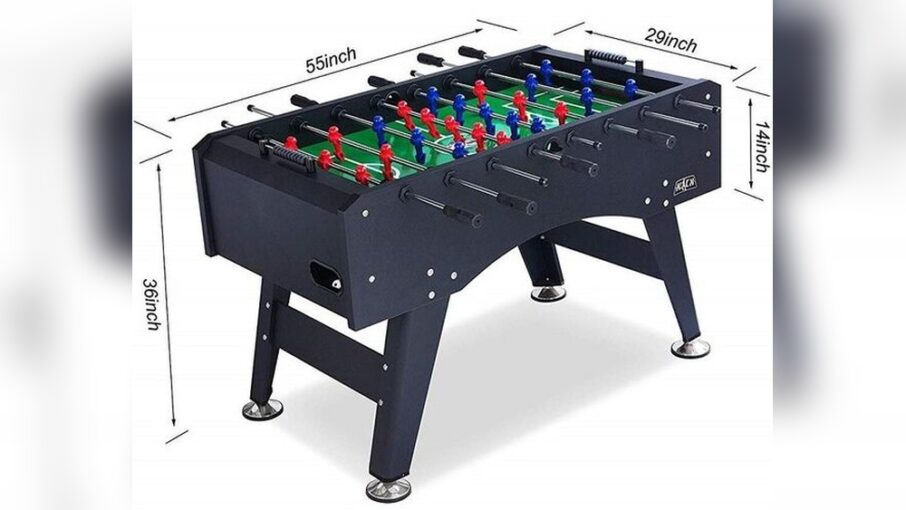
Stand-alone foosball tables are full-sized and stable. They often measure around 56 inches long and 30 inches wide. These tables are perfect for serious play and tournaments. Their solid build supports fast and competitive games. They need enough floor space and are usually heavy.
Tabletop Models
Tabletop foosball tables are compact and portable. They sit on a desk or table for easy use. These models are smaller, often about 24 inches long and 12 inches wide. They fit well in small rooms or offices. Though smaller, they still offer fun and quick games. Easy to store and move, they suit casual players.
Multi-game Tables
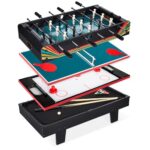
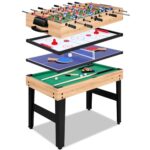
Multi-game tables combine foosball with other games like pool or air hockey. They save space by offering several games in one unit. Sizes vary but usually match standard foosball dimensions. These tables provide variety and fun for groups. Ideal for families and game rooms with limited space.
Standard Table Sizes
Foosball tables come in various sizes to fit different spaces and player needs. Standard table sizes balance playability and room space. Understanding these sizes helps in choosing the right table for fun and comfort. Below are common standard sizes that suit various users.
Regulation Dimensions
Regulation foosball tables follow official size rules. They measure about 56 inches long and 30 inches wide. The height is usually around 36 inches. These sizes ensure fair play in tournaments and leagues. Players get consistent game experience with regulation tables.
Family-friendly Options
Family-friendly foosball tables are slightly smaller than regulation ones. They often measure near 48 inches long and 24 inches wide. These sizes fit well in homes and game rooms. They provide easy access for kids and adults. Family tables offer fun without needing much space.
Mini And Compact Sizes
Mini foosball tables are perfect for tight spaces or kids. They can be as small as 24 to 36 inches long. Compact sizes fit on tables or desks for quick games. These tables are lightweight and easy to move. Mini tables are great for casual play and beginners.
Size Vs Space Needs
Choosing the right foosball table size depends on your available space. The table size affects how comfortable the play area will be. Planning space carefully helps avoid cramped or awkward setups. Understanding size versus space needs is key for a good gaming experience.
Room Measurement Tips
Measure the room before buying a foosball table. Include the length, width, and height of the space. Use a tape measure or laser measure for accuracy. Note any obstacles like furniture or doors that limit space. Always leave extra space for player movement and table access.
Placement Considerations
Place the table where players can move freely. Avoid tight corners or narrow hallways. A central location in the room works best for accessibility. Keep the table away from fragile items or walls. Ensure good lighting above the table for clear visibility.
Clearance For Players
Allow at least 2 to 3 feet of clearance around the table. This space lets players move and swing rods comfortably. More clearance improves gameplay and reduces collisions. Check that players of all heights have enough room to stand and play. Clear space helps keep the game fun and safe.
Choosing By Skill Level
Choosing a foosball table based on skill level helps players enjoy the game fully. Different sizes suit beginners, intermediates, and pros. The right size matches player ability and space.
Smaller tables offer easier control for beginners. Medium sizes challenge intermediate players. Full professional sizes improve skills for advanced players.
Beginner-friendly Tables
Beginner tables are usually smaller and lighter. They fit well in homes or small rooms. These tables help new players learn basic moves. Control is easier due to shorter rods and smaller fields. They allow quick, fun games without overwhelming the player.
Intermediate Models
Intermediate foosball tables are larger than beginner ones. They offer more space to practice tactics and speed. These tables have stronger rods and better build quality. Players can improve hand-eye coordination and teamwork. A good fit for casual players wanting to get better.
Professional Size Benefits
Professional tables have official dimensions and weight. They provide the best playing experience and challenge. These tables help develop advanced skills and strategies. Players learn precise ball control and fast reflexes. Ideal for tournaments and serious foosball enthusiasts.
Durability And Build
The durability and build of a foosball table are key for long-lasting fun. Strong construction keeps the table steady during intense play. Quality materials resist wear and damage. Size also affects how stable the table feels. Understanding these factors helps choose the best table for your needs.
Material Differences
Foosball tables use wood, MDF, or metal parts. Solid wood offers strength and a classic look. MDF is budget-friendly but less durable. Metal rods and legs add stability and resist bending. Plastic components are common in cheaper tables but wear out faster. Better materials mean a longer-lasting table.
Impact Of Size On Stability
Larger tables usually have better stability. A bigger base reduces wobbling during play. Small tables may shift or tip when used aggressively. Heavy tables stay put and absorb vibrations. Consider space and how much rough play will happen. Size matters for a solid, steady game experience.
Budget Vs Quality
Low-cost tables often use lighter, cheaper materials. They may look good but wear out quickly. Higher-priced tables invest in strong woods and metals. These hold up under frequent use and intense play. Spending more can mean fewer repairs and better stability. Balance your budget with the quality you need.
Price Ranges By Size
The price of foosball tables varies by their size. Smaller tables tend to cost less, making them ideal for casual play or kids. Mid-sized tables offer a balance of quality and affordability. Larger, premium tables provide the best materials and features but come at a higher cost. Understanding these price ranges helps you choose the right table for your budget and space.
Affordable Options
Mini and small foosball tables usually fit this category. Prices range from $50 to $200. These tables are great for beginners or children. They are light and easy to move. Materials are mostly plastic or low-grade wood. These tables are perfect for casual fun at home.
Mid-range Choices
Mid-sized foosball tables cost between $200 and $500. They offer better build quality and stability. Materials include solid wood and metal rods. These tables suit families and small groups. They provide a good playing experience and last longer. Many models come with additional features like scorekeepers.
Premium Tables
Large and professional foosball tables cost $500 and above. They use high-quality wood, metal, and craftsmanship. These tables are heavy and durable. Designed for serious players and tournaments. They provide excellent ball control and smooth rod movement. Premium tables often include advanced features and stylish designs.
Popular Brands And Models
Choosing the right foosball table starts with understanding popular brands and models. These tables come in various sizes and styles. Each brand offers unique features suited for different players and spaces. Knowing the top options helps you pick a table that fits your needs and room.
Top-rated Full-size Tables
Full-size foosball tables measure about 56 inches long and 30 inches wide. Brands like Tornado, Warrior, and Garlando lead this category. Tornado tables are known for sturdy build and smooth play. Warrior offers affordable models with great quality. Garlando brings Italian design and durability. These tables suit players who want a professional feel at home.
Best Compact Tables
Compact foosball tables save space without losing fun. They usually measure around 36 to 48 inches long. Brands like Hathaway and Kicker Sport make popular compact models. Hathaway tables are lightweight and easy to move. Kicker Sport provides sturdy play surfaces in smaller sizes. These tables work well in apartments or game rooms with limited space.
Kid-friendly Options
Smaller, kid-friendly foosball tables encourage young players to join the fun. Brands such as Hey! Play! and Carrom offer tables sized for children. These models are lighter and safer for kids to use. They often feature bright colors and simple designs. Kid-friendly tables help families introduce the game early in a fun way.

Credit: premoli-automobiles.com
Maintenance Tips
Proper maintenance keeps your foosball table in top shape. It ensures smooth play and extends the table’s life. Different table sizes need tailored care. Here are simple tips to maintain your foosball table effectively.
Cleaning Based On Size
Small tables need gentle cleaning. Use a soft cloth to wipe the surface. Avoid wetting wooden parts. Larger tables require more attention. Clean rods and players carefully to remove dust. Use mild soap and water for stubborn dirt. Dry all parts completely to prevent damage.
Parts Replacement
Check rods and handles often for wear. Replace bent or rusty rods to keep gameplay smooth. Swap out worn players to maintain balance. Tighten loose screws regularly. Use parts that fit your table size for best results.
Storage Suggestions
Store your foosball table indoors. Avoid damp or very hot places. Cover the table with a dust cover if possible. For smaller tables, use a storage bag or box. Keep rods and accessories organized to prevent loss or damage.
Credit: timeofcelebration.org
Frequently Asked Questions
What Is The Standard Size For A Foosball Table?
The standard foosball table size measures about 56 inches long, 30 inches wide, and 36 inches high. This size suits most players and spaces.
Is A 48 Inch Foosball Table Good?
A 48-inch foosball table suits casual players and kids well. It saves space and costs less but lacks regulation size and durability for intense play.
What Are The Different Types Of Foosball Tables?
Foosball tables come in three types: stand-alone, tabletop, and multi-game. Stand-alone offers full size. Tabletop is portable and compact. Multi-game combines foosball with other games. Each suits different spaces and budgets, catering to casual or serious players.
What Is The Standard Size Of A Foosball Table?
The standard foosball table size is approximately 56 inches long, 30 inches wide, and 36 inches high. This size suits most adult players and fits well in home game rooms or recreational spaces.
Conclusion
Choosing the right foosball table size matters for your space and fun. Standard tables fit most rooms and offer great play. Smaller tables work well for kids or tight spaces. Measure your area carefully before buying to ensure a good fit.
Remember, the best table matches your needs and room size. Enjoy the game with friends and family, no matter the table size. Your perfect foosball table awaits, ready for action.