
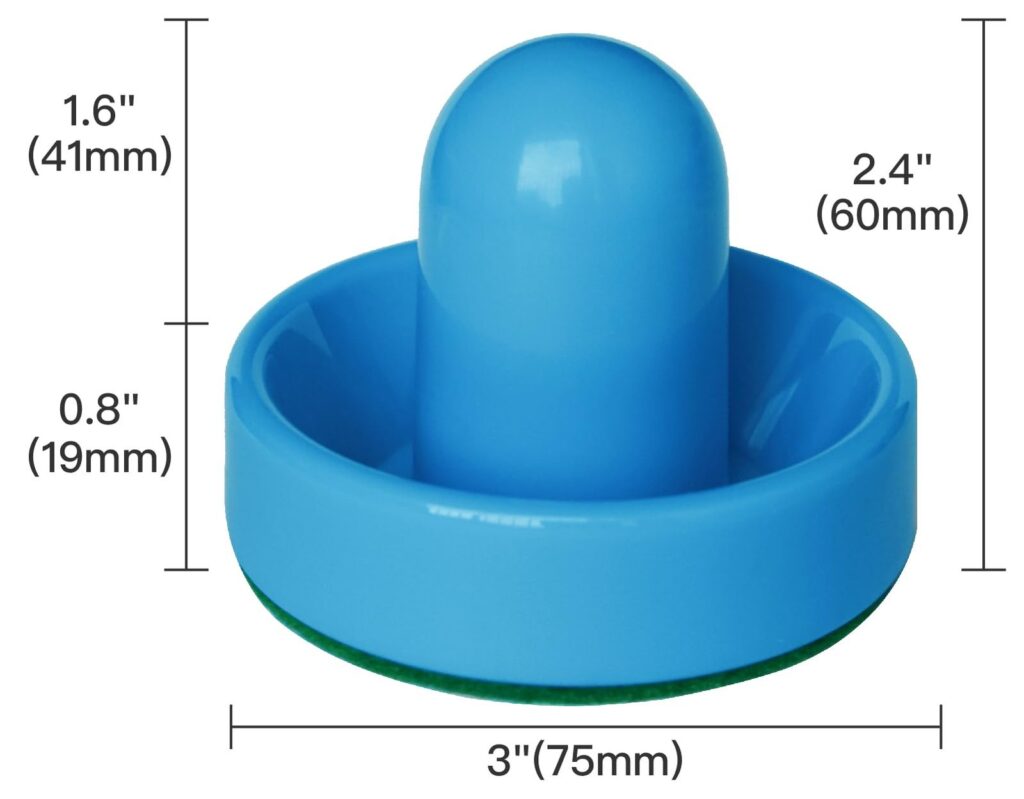
How to Measure Air Hockey Pucks: Diameter, Thickness and Weight
How to measure air hockey pucks comes down to three numbers: diameter, thickness and weight. Once you have those, you can match a replacement puck to your table, check whether a worn puck is still legal for play, or order a set that fits a tournament standard. The steps below cover where to measure, what tools to use and how to read the results.
Key Takeaways
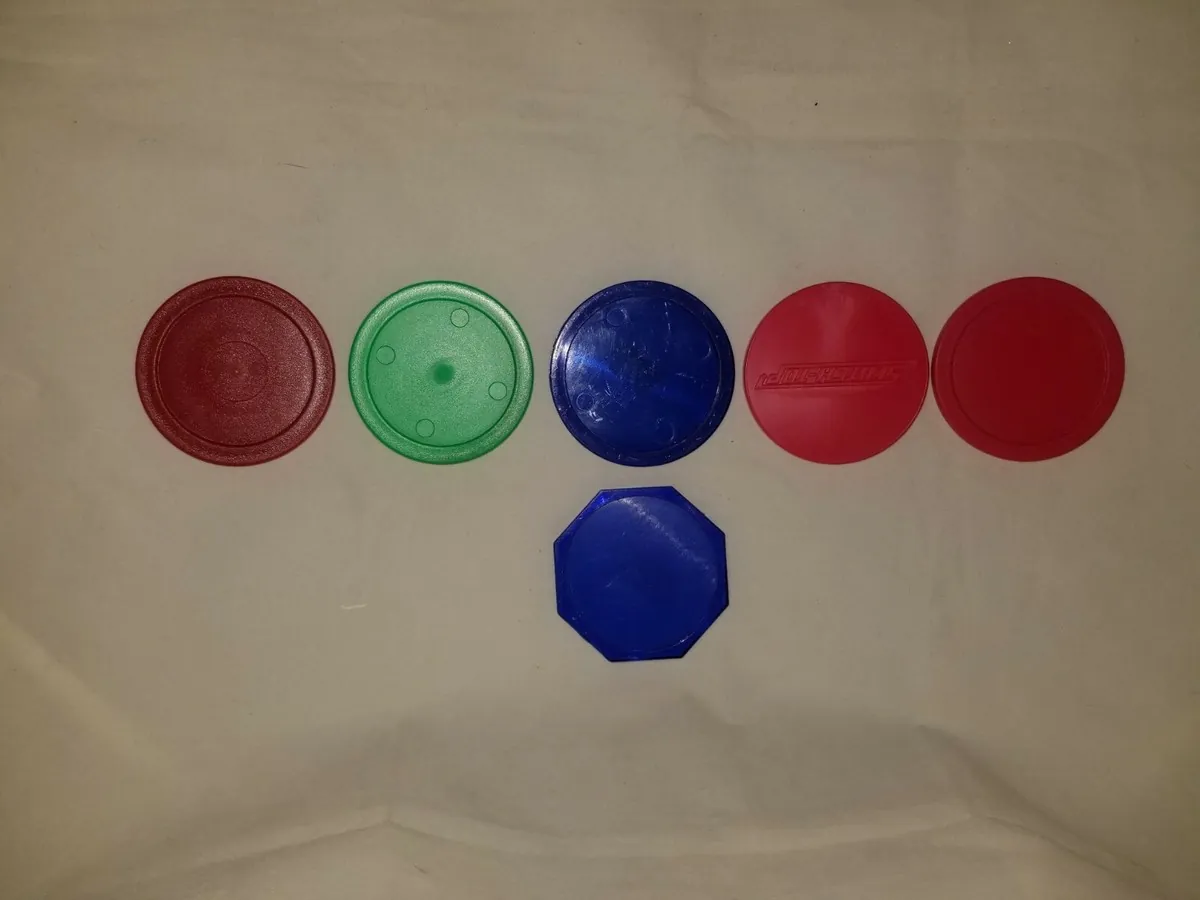
- Measure diameter across the widest point with calipers, not a ruler, for an accurate reading.
- Standard tabletop pucks are commonly about 2.5 to 3 inches (roughly 63 to 76 mm) across, but always check your table’s specification.
- Measure thickness at several points around the edge, since worn pucks often lose height unevenly.
- Weigh pucks on a kitchen or postal scale to compare against a replacement or a new set.
- Record all three measurements before ordering, so the replacement matches the table and the other pucks in play.
What You Need Before You Start
Gather a few simple tools before measuring. Precision matters more than speed here, and the right tools prevent most errors.
| Tool | What It Measures | Why It Matters |
|---|---|---|
| Digital calipers | Diameter and thickness | Reads to 0.01 mm, far more precise than a tape measure |
| Metric or imperial ruler | Rough diameter check | Useful for a quick sanity check only |
| Kitchen or postal scale | Weight in grams or ounces | Shows whether pucks are matched |
| Notepad or phone | Recording readings | Lets you compare readings across several pucks |
| Clean, dry cloth | Wiping dust and residue | Dirt adds weight and skews the reading |
Pro Tip: Clean each puck before weighing it. A film of dust, grease or table residue can add enough mass to make two otherwise identical pucks look different.
Measuring the Diameter
Diameter is the measurement most people need first, because a puck that’s even slightly too large or small won’t fit the table’s expected play or the goal opening correctly.
Using Digital Calipers
Open the calipers and place the puck between the jaws. Close them gently until they touch the edge, then take the reading across the widest point. Turn the puck and measure at three or four positions around its circumference. A true round puck gives the same reading everywhere. If the readings vary by more than a fraction of a millimeter, the puck is out of round, which usually means edge wear or damage.
Using a Ruler as a Backup
If you don’t have calipers, lay a ruler flat across the puck’s face and read the distance edge to edge through the center. A ruler is accurate only to about a millimeter, so treat the result as an estimate. Use it to confirm you’re in the right range, not to match exact specifications.
Common Diameter Mistakes
- Measuring the puck at an angle, which always reads too large.
- Measuring across a chipped or worn edge rather than the intact part.
- Forgetting to check the diameter at more than one point.
Measuring the Thickness
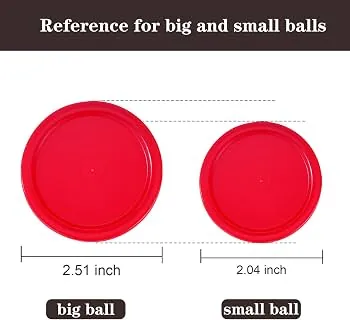
Thickness, or height, affects how the puck sits on the air cushion and how it slides across the surface. Many worn pucks lose height unevenly, so one reading is rarely enough.
Taking Thickness Readings
Stand the puck on its edge and close the calipers across the top and bottom faces. Measure at two or three points around the rim, and record the lowest and highest readings. A difference of more than a fraction of a millimeter between points suggests the puck is warped or worn on one side.
Warning: Don’t measure thickness by squeezing a puck hard in the calipers. Pucks are made of plastic or similar materials that can deform, which gives a falsely low reading. Close the jaws only until they make light contact.
Reading the Results
Compare your thickness readings with the puck’s original specification if you know it, or with a new puck from the same set. A puck that’s noticeably thinner than its partners has likely worn down and may behave differently in play.
Weighing the Pucks
Weight tells you whether a set is matched and whether a replacement is close enough to the originals. Pucks are light, so a kitchen scale that reads in grams works well, though a small digital postal scale with finer increments is better.
How to Weigh Accurately
Place the puck in the center of the scale and wait for the reading to settle. Record it in grams or ounces, and repeat the measurement twice more to confirm. Clean the puck first, as noted above.
Comparing Weights Across a Set
Weigh every puck you own and note the spread. Pucks within a few grams of each other usually play consistently. A puck that stands out may be damaged, dirty or made of a different material, and it’s worth replacing it so the whole set behaves the same way.
Matching a Replacement Puck
Once you have diameter, thickness and weight, you can match a replacement. Don’t rely on the advertised size alone, because two pucks sold as the same size may differ in weight or thickness.
Checklist Before You Order
- Confirm the table’s required puck diameter from the manufacturer’s manual or the table’s label.
- Check that your thickness reading matches the replacement’s listed height.
- Compare weight against your existing pucks.
- Note the material if you can, since plastic and composite pucks behave differently.
Pro Tip: If you can’t find your table’s specifications, bring a sample puck to a shop and compare it side by side with the options on the shelf. Matching in person removes most guesswork.
Telling When a Puck Is Worn Out
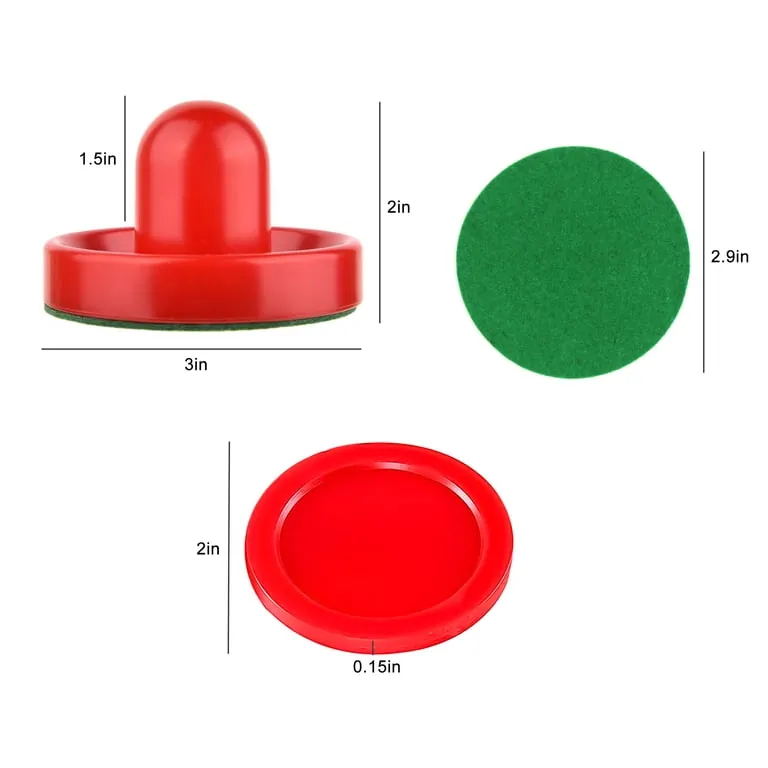
Measurements help you decide whether a puck still plays well. Replace a puck when its diameter has noticeably shrunk, its thickness varies a lot across its edge, its weight has drifted far from the set, or its surface is cracked or deeply scratched. Worn pucks can wobble, drag or fail to glide.
Signs to Check Alongside Measurements
- Visible chips or cracks along the rim.
- A puck that rocks or wobbles when set flat.
- Uneven play compared with the other pucks in the set.
Related guides
Frequently Asked Questions
What size is a standard air hockey puck?
Standard tabletop pucks are commonly about 2.5 to 3 inches (roughly 63 to 76 mm) across, but sizes vary between tables. The safest answer comes from your table’s manual or label, so check that before relying on a general range.
Can I measure a puck with a regular ruler?
Yes, for a rough check. A ruler reads to about a millimeter, which is enough to confirm you’re in the right range but not enough to match exact specifications. Calipers give a far more reliable result.
How much should air hockey pucks weigh?
Weights differ by design and material, so there’s no single correct figure. The most useful check is whether all pucks in your set weigh about the same. Weigh them yourself and compare the results rather than relying on a number from memory.
Why do my pucks measure differently at different points?
Uneven measurements usually mean the puck is out of round or worn unevenly, often from years of contact with the rails and striker. A puck with noticeable variation is a good candidate for replacement.
Do I need calipers to replace a puck?
Not strictly, but calipers make matching much more reliable. If you only need a rough fit, a ruler and scale may be enough. For tournament play or a mixed set, calipers are worth the small cost.
Conclusion
Start by measuring your current puck’s diameter and thickness today, then weigh it against a second puck from the same set. Write down all three figures so you have them the next time you need a replacement.
About the Author Eric Glenn
I launched this blog to provide advanced material, guiding you towards a better and more comfortable gaming tools experience. I deliver more than gaming gear guides, and motivate people to play games and keep the fitness forever!

