
Can You Replace Air Hockey Felt Pads: A Simple Repair Guide
Yes, you can replace air hockey felt pads with basic materials and a few minutes of steady work. Whether or not you should perform this repair depends on the condition of your pucks and the specific surface of your table. You’ll need to remove the old adhesive completely before applying new felt to ensure the puck glides without friction.
When to repair your air hockey gear
The decision to replace felt depends on the material of your pucks and the severity of the wear. If the felt is peeling, the puck will scratch the table surface, potentially damaging the delicate plastic or laminate finish.
If you notice the puck dragging or stuttering mid-game, check the underside for matted fibers. Compressed felt loses its ability to hover on the cushion of air, forcing the plastic base to grind against the table. Replace the pads immediately to prevent permanent grooves in the playing surface.
When the felt remains intact but the puck feels sluggish, use a soft-bristled brush to remove trapped dust. If the puck still fails to glide after cleaning, the fibers have likely lost their loft.
Avoid the common mistake of applying adhesive tape to fix a fraying edge. This creates an uneven surface that ruins the puck’s trajectory and leaves sticky residue on the table. If you see deep gouges in the plastic base itself, discard the puck entirely. No amount of new felt will compensate for a compromised, unbalanced structure.
What determines if you can fix it
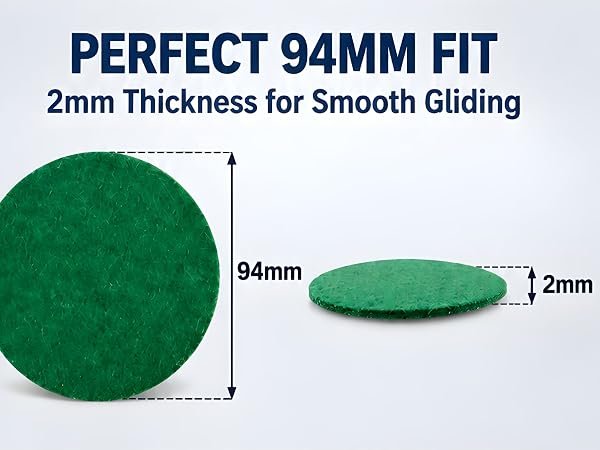
The primary factor deciding if a repair will work is the quality of the bond between the new felt and the puck’s plastic base. Air hockey pucks are designed to float on a cushion of air; if the felt is too thick, the puck won’t hover, but if it’s too thin, the plastic will drag against the table. You must use a material that’s thin, synthetic, and low-friction to maintain the proper airflow.
Surface cleanliness is equally important because any residue from the old adhesive will prevent the new pad from sticking properly. If you leave old glue behind, the uneven surface will cause the puck to wobble and veer off course during play.
If the puck base is warped, the felt will never sit flat, and the puck will drag; if the base is flat, you can easily apply a new adhesive pad.
Steps for replacing felt pads
-
Remove the old felt. Use a dull plastic scraper to peel the old pad away, then use a small amount of rubbing alcohol on a cloth to wipe off remaining sticky residue. If you leave even a trace of adhesive, the new pad will sit unevenly and wobble during play.
-
Clean the base thoroughly. Ensure the plastic surface is completely dry and free of dust before proceeding, as any grit will create a bump under the new felt. Wipe the surface with a lint-free cloth to ensure the bond is secure.
-
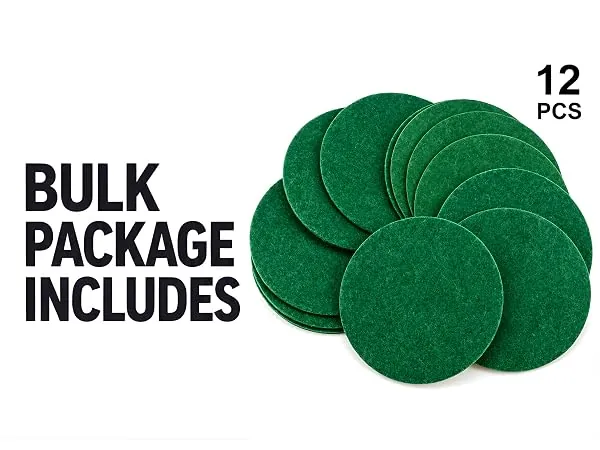
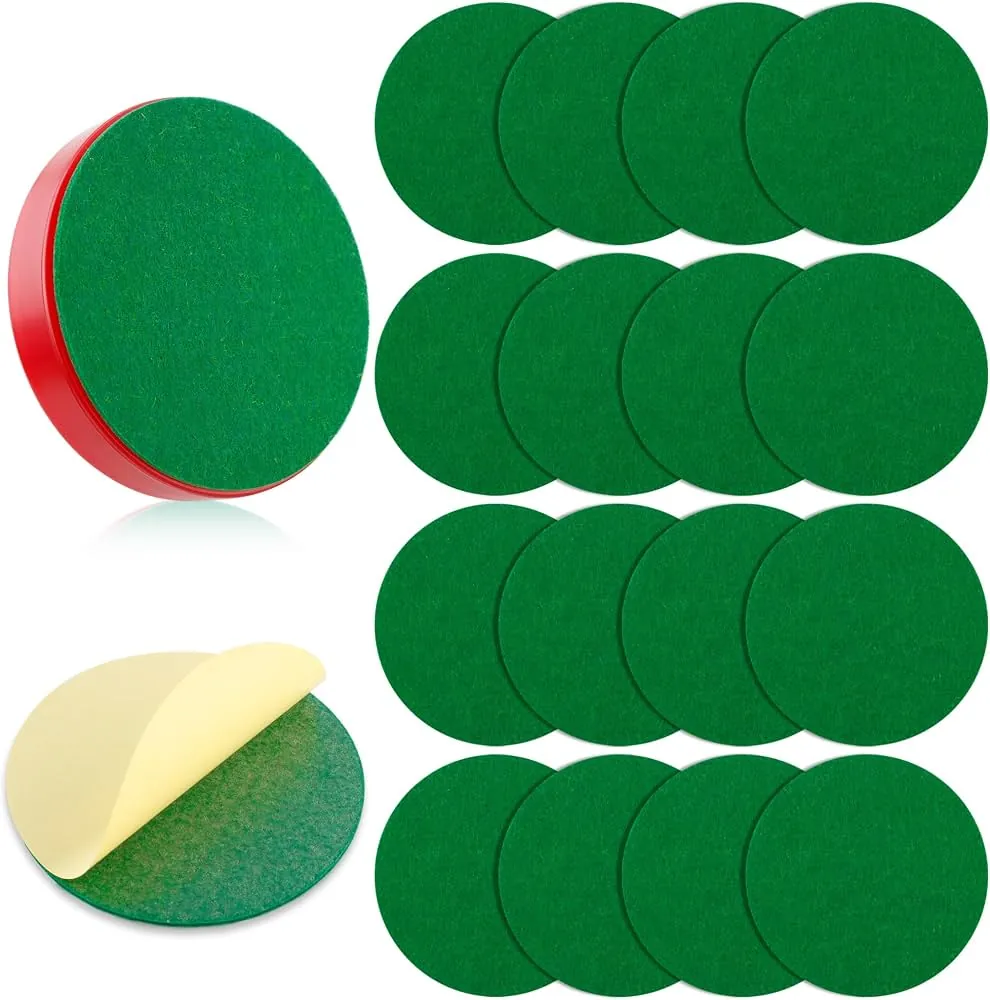
Measure the replacement material. Cut a circle of thin, self-adhesive felt that’s exactly the same diameter as the puck’s base, ensuring it doesn’t hang over the edges. If the felt overlaps the side, it will catch on the table’s surface and ruin your shot.
-
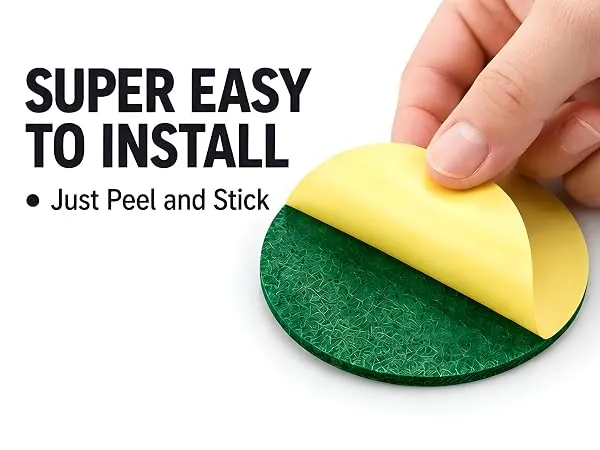
Apply the new pad. Peel the backing off the felt and press it firmly onto the center of the puck, smoothing it from the middle outward to remove air bubbles.
-
Test the glide. Place the puck on the table with the air motor running to check that it hovers evenly without scraping the surface. If it drags, the felt is likely too thick or improperly centered.
The mistake people make
The most common mistake is using felt that’s too thick, which prevents the puck from floating on the air cushion. This forces the puck to drag directly against the table surface, which can cause permanent scratches on the laminate. It costs the player the smooth, fast-paced movement essential to the game.
You can avoid this by checking the thickness of the replacement felt against the original pad before cutting it to size. If your replacement material exceeds 1/16 of an inch, the air pressure will likely fail to lift the puck.
Many players also fail to clean the old adhesive residue before applying new pads. If you leave behind sticky patches, the new felt will sit unevenly. This imbalance causes the puck to wobble or veer off course during play.
When to get professional help
You should stop and seek help from a professional table technician if you notice these signs:
The table surface itself has deep scratches, which requires professional resurfacing rather than a simple puck fix. If you can catch your fingernail in a groove, the wood is compromised and will shred new felt pads within minutes.
The air motor is vibrating excessively, which suggests an internal mechanical failure beyond a simple felt issue.
The pucks are consistently flying off the table, which often indicates an issue with the air pressure or table leveling that requires specialized equipment to calibrate. If the puck drifts toward one corner even when the table looks level, the base frame has likely warped.
Frequently asked questions
Can you use any type of felt for air hockey?
No, you must use thin, synthetic felt that doesn’t fray easily. Natural wool felt is usually too thick and traps dust, which will cause the puck to drag and slow down during play. Always check that the material is smooth to the touch and allows for consistent airflow.
How do I know if the felt is the right thickness?
The correct thickness is usually between 1.0 mm and 1.5 mm, which you can verify by measuring your old pad with a digital caliper. If the puck sits too high, it will be unstable; if it sits too low, it will scrape the table surface during the game.
Does the brand of the puck matter?
Yes, the brand or model of the puck determines the specific diameter and weight you need to maintain. You can find the required size in your table’s original instruction manual or by measuring the diameter of your current pucks with a ruler before buying replacement materials.
Why does my puck still drag after replacing the felt?
The puck likely drags because the adhesive wasn’t applied evenly or the surface of the table isn’t level. Check that your table legs are adjusted correctly using a spirit level to ensure the playing surface is perfectly flat across the entire area.
Is it safe to use glue to attach the felt?
It isn’t recommended to use standard liquid glue because it often soaks through the felt and creates hard, uneven patches. Use only self-adhesive felt sheets designed for this purpose to ensure the bottom remains soft and uniform for optimal movement on the table.
How often should I replace the felt pads?
You should replace the pads whenever the fibers become matted or the edges start to peel away from the plastic. Most residential tables require a replacement every 6 to 12 months, depending on how often you play and the amount of dust in the room.
Maintaining your air hockey table
Start by cleaning the table surface with a soft, dry cloth to remove dust before you replace any felt pads. You can expect a fresh set of pads to last for several months of regular play if you keep the area free of debris.
If the puck continues to drag even after you have applied new pads, check the table leveling. A table that sits unevenly causes the puck to catch on the surface regardless of pad quality. Use a carpenter’s level on all four sides to ensure a perfect plane.
Most players mistakenly use household glass cleaners on the playfield. This leaves a sticky residue that ruins the air cushion. Only use a mild, non-abrasive cleaner diluted with water. If the surface feels tacky, wipe it down immediately to prevent permanent damage.
About the Author Eric Glenn
I launched this blog to provide advanced material, guiding you towards a better and more comfortable gaming tools experience. I deliver more than gaming gear guides, and motivate people to play games and keep the fitness forever!

