
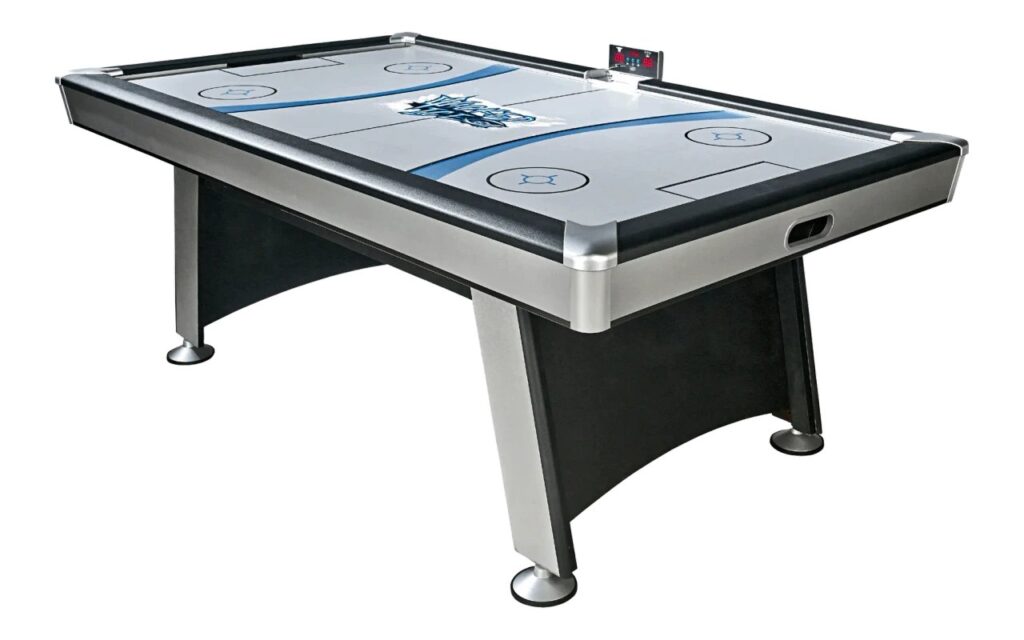
Can You Use Car Wax on Air Hockey Tables Safely
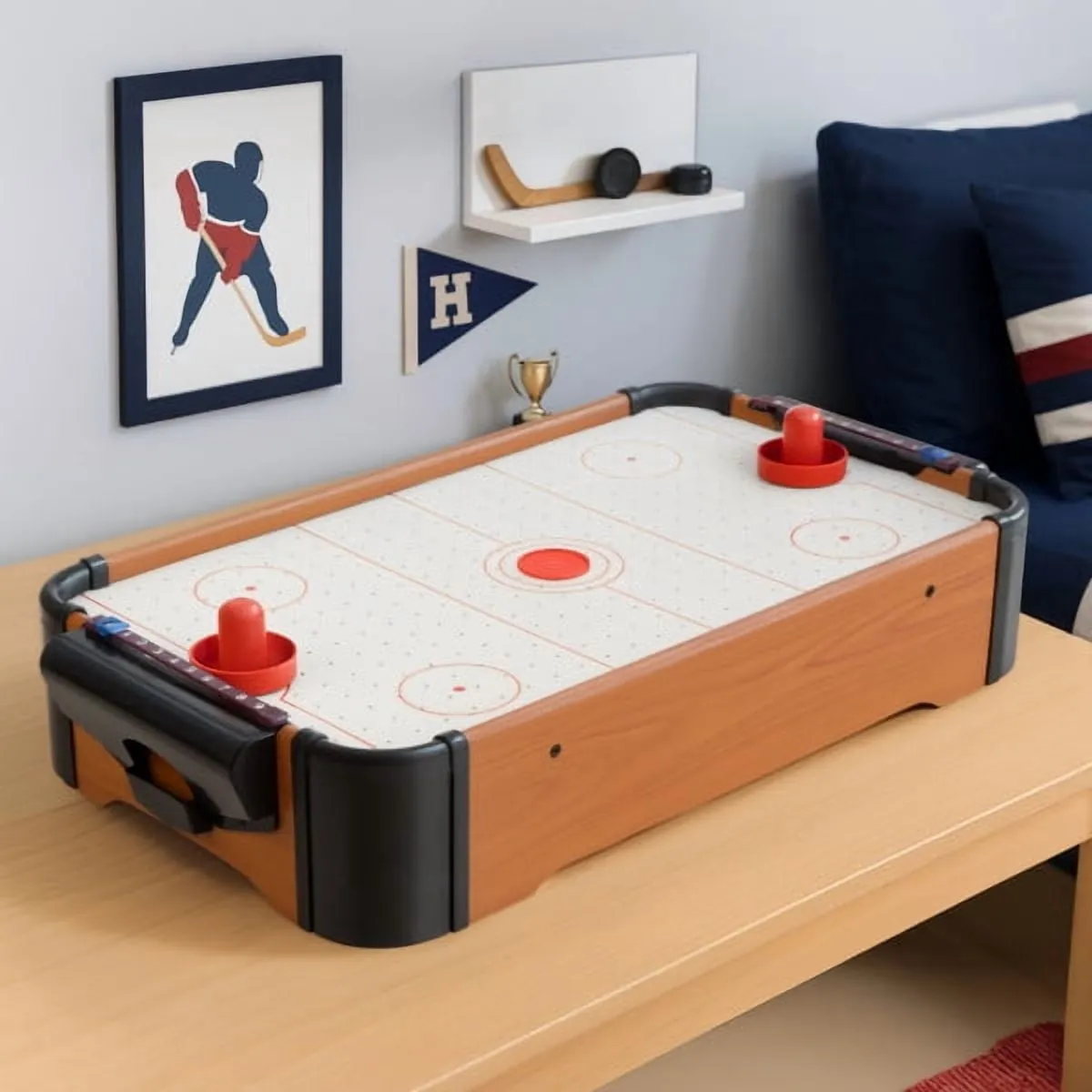
Yes, you can use car wax on air hockey surfaces to improve puck speed, but only if the table has a solid laminate top. If your table has a painted wood or particle board surface, you should avoid using wax entirely to prevent permanent damage. You should inspect the material of your playing field before applying any substance to the board.
Situations where wax helps or harms

Choosing to wax your table depends on the construction and the current condition of the playing surface. Use this table to determine if your table is a candidate for a light wax treatment.
| Your situation | Answer | Why |
|---|---|---|
| Smooth laminate surface | Yes | Wax reduces friction for faster play |
| Painted wood surface | No | Wax can soak in and ruin finish |
| Visible scratches or chips | No | Wax settles in pits and traps dust |
| Sticky residue buildup | No | Clean with mild soap first |
| Very old, dull laminate | Yes | Wax restores a slick, fast feel |
| Table with air holes | Careful | Avoid clogging the small air holes |
Why surface material decides the outcome
The primary factor in this decision is the porosity of the table’s top layer. Modern air hockey tables typically use high-pressure laminate, which is a non-porous plastic-like material. This surface is designed to hold a thin layer of wax safely, allowing the puck to glide with minimal friction.
If you apply wax to a porous surface like raw wood or thin paint, the oils in the wax will soak into the material, creating soft spots or uneven textures that ruin the game.
The air flow system is also essential. Air hockey relies on thousands of tiny, precision-drilled holes to create a cushion of air. If you use a heavy paste wax, you risk clogging these holes. A clogged hole stops the air from reaching the puck, creating a dead zone where the puck will drag or stop moving entirely. You must ensure that any product you use is wiped off completely, leaving only a microscopic film.
If you choose to use wax, you must use a high-quality, non-abrasive car wax that doesn’t contain silicones or heavy fillers. If you’re unsure about your table’s material, check the manufacturer’s manual for maintenance advice. If the surface feels rough to the touch, don’t wax it; if it feels like smooth plastic, a light buffing is safe.
Steps for applying a thin wax layer
If you have confirmed your table is laminate and you want to increase speed, follow these steps to apply a protective layer.
- Clean the surface thoroughly using a soft, lint-free cloth and a very small amount of water or specialized board cleaner. Ensure the table is completely dry before moving to the next step.
- Apply a tiny amount of wax to a microfiber cloth, not directly to the table. Use no more than a pea-sized drop for every two square feet of playing area.
- Buff the surface in circles using light pressure, moving across the entire table. Focus on keeping the wax layer as thin as possible to avoid any buildup.
- Wipe the surface clean with a fresh, dry microfiber cloth until the wax is invisible. You should see a slight sheen, but no streaks or heavy residue.
- Check the air holes carefully to ensure none are blocked by wax. If you see wax inside a hole, use a toothpick or a soft brush to clear it immediately.
The mistake that ruins the speed
The most common mistake people make is applying too much wax or using a wax containing abrasive cleaners or heavy polishing compounds. This creates a tacky, uneven surface that actually slows the puck down instead of speeding it up.
It can cost you the entire playability of the table, as removing thick, gummy wax residue from hundreds of tiny air holes is extremely difficult and time-consuming. If you notice the puck dragging, you have already applied too much. You must stop immediately and use a dry microfiber cloth to buff the surface until no haze remains.
If the surface feels sticky, don’t add more product. Instead, use a vacuum to clear the air holes before reapplying a microscopic layer. Always test a small corner near the goal before covering the entire playfield. If the puck doesn’t glide effortlessly, the wax is the wrong type.
When to stop and get help
Some conditions mean the table surface is beyond a simple DIY wax treatment. Stop what you’re doing and consult a professional if you notice these issues:
- Deep gouges or cracks in the laminate that expose the wood underneath, which can cause the puck to bounce unpredictably.
- The air blower motor is failing to provide consistent pressure, which no amount of surface treatment will fix.
- Warped playing surfaces that have become uneven due to humidity or age, requiring a professional leveler or replacement.
If the table requires structural repair or electrical work on the blower, contact a professional game room technician. Attempting to fix internal components without proper training or tools poses a risk of electrical shock or permanent damage to the blower system.
Frequently asked questions
Can I use furniture polish instead of car wax?
No, you should avoid furniture polish because it often contains oils or silicone that make the surface too slick or greasy. These chemicals can damage the laminate over time and attract dust. Use only a dedicated, non-abrasive synthetic wax or a specialized air hockey table spray to maintain the speed of the puck.
How often should I wax the table?
You should wax the table only once every 6 to 12 months, depending on how often you play. If the puck starts to drag or the surface feels dull, that’s your sign to clean it first. Don’t wax more than once a year to prevent a heavy buildup of residue.
Does wax help with old, scratched tables?
No, wax won’t fix deep scratches; it will only highlight them as the wax settles into the grooves. If your table has deep scratches, wax will make the puck catch in those spots. You’re better off cleaning the surface well rather than trying to fill deep damage with wax.
Is it safe to use wax on a home-made table?
It depends on the material, but if your table is made of painted plywood, don’t use wax. Wax will soak into the wood fibers and cause the paint to peel or bubble. Only use wax on factory-made, high-pressure laminate surfaces that are designed to handle smooth, non-porous coatings.
What happens if I clog the air holes?
If you clog the air holes, the puck will lose its lift and drag across the surface, making the game unplayable. You’ll need to use a toothpick or a soft needle to gently clear each blocked hole. This is a tedious process, so always wipe away excess wax before it dries.
Does the brand of car wax matter?
Yes, you must check the label to ensure the wax is non-abrasive and free of heavy cleaning solvents. Avoid any “cleaner wax” or “polishing compound” as these contain fine grit that will scratch the laminate. Stick to high-quality synthetic waxes that are designed to protect smooth, plastic-like surfaces without leaving a heavy film.
Maintaining your air hockey table with car wax
Start by wiping the surface with a clean, dry microfiber cloth to remove dust before you consider any other treatment. Use light, circular motions to lift debris from the air holes. If you press too hard, you risk pushing particles deeper into the motor intake.
If the puck still feels slow after cleaning, apply a tiny amount of high-quality, non-abrasive synthetic wax to the laminate. Use a dime-sized drop on a soft applicator pad. Buff it until the surface is clear and dry to the touch.
Avoid heavy paste waxes, as these clog the air ports and ruin the cushion effect. If you notice the air flow is uneven or the surface is damaged, stop and contact a professional technician for a proper assessment.
About the Author Eric Glenn
I launched this blog to provide advanced material, guiding you towards a better and more comfortable gaming tools experience. I deliver more than gaming gear guides, and motivate people to play games and keep the fitness forever!

