
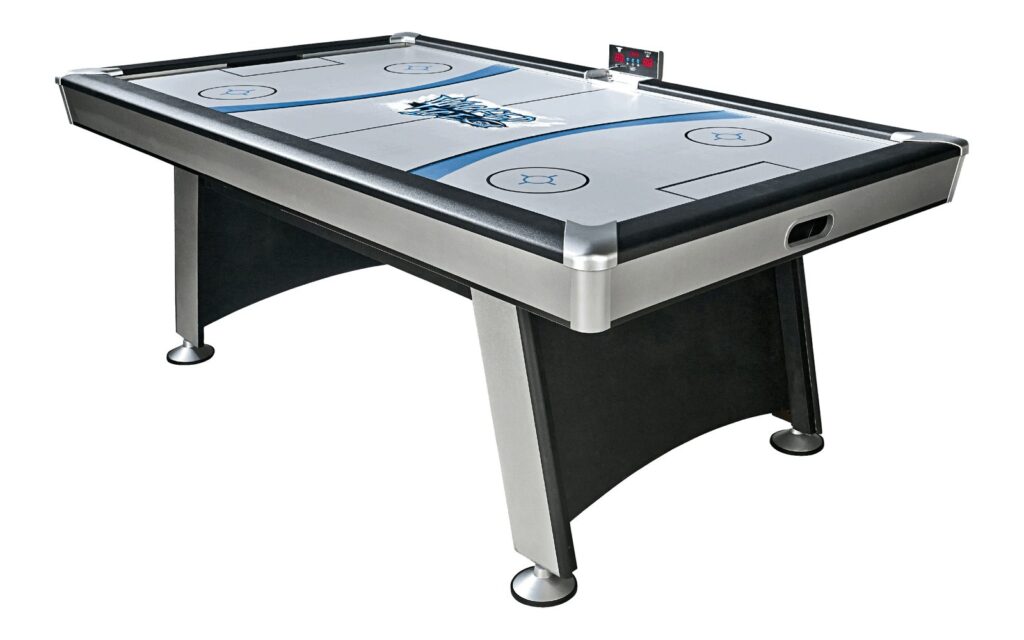
How to Make Air Hockey Smoother: 3 Simple Maintenance Steps
Smoother air hockey comes down to three things you can control: a clean, level, well-sealed table; a puck and mallets that glide instead of stick; and a playing surface that’s free of debris and worn-out cushions. Most sticky or jerky play traces back to one of these, and the fixes are usually inexpensive and quick.
Key Takeaways
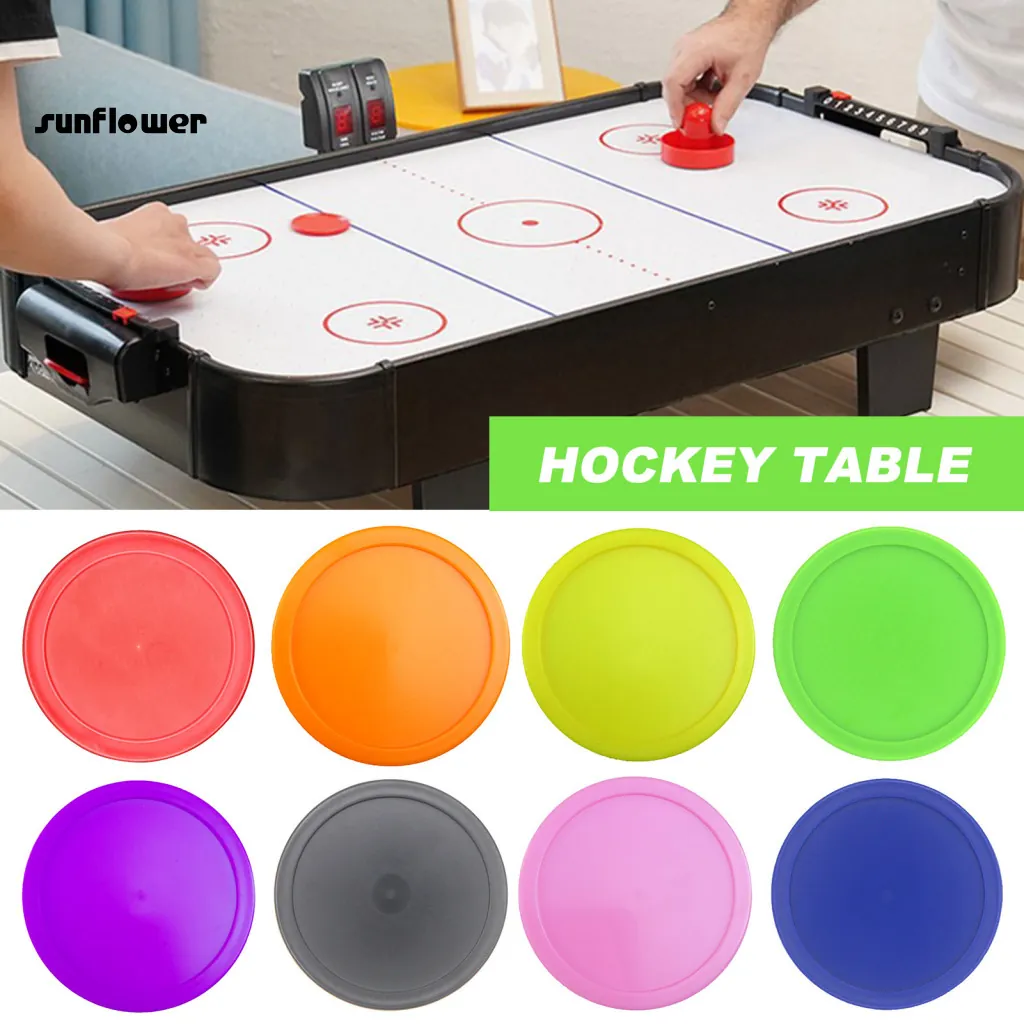
- Level the table first; even a slight tilt sends the puck drifting to one side.
- Clean the playing surface with a soft cloth and mild cleaner to remove dust and grime that create drag.
- Check the blower and make sure the air holes are clear and the fan runs at full strength.
- Wipe the puck and mallet bases regularly, since oils and dust build up on contact points.
- Replace worn cushions and clean the rails when the puck bounces dead or skips.
Why Does My Air Hockey Table Feel Sticky?
A table that feels sticky is almost always losing air. The puck floats on a thin cushion of air pushed up through small holes in the playing surface. When that air is weak or uneven, the puck rubs against the surface instead of gliding over it.
The most common causes are:
- Clogged surface holes filled with dust, hair, or fine debris
- A weak or failing blower that no longer pushes enough air
- A dirty or greasy surface that adds friction
- Air leaking through gaps at the seams, the goal areas, or the blower connection
- An unlevel table that lets air pool on one side
How Do I Level an Air Hockey Table?
Leveling is the single most important adjustment. A table that sits even lets the air distribute across the whole surface.
- Turn the blower on and place the puck in the center.
- Watch where it drifts. A puck that consistently rolls toward one end or side shows which corner is low.
- Use a bubble level on the playing surface, checking both directions.
- Adjust the leveling feet, usually located at each corner, by turning them until the bubble centers.
- Recheck with the blower running, since the air can shift the surface slightly.
Pro Tip: Place the table on a hard, flat floor. Thick carpet or an uneven tile seam can tilt the table even after you have leveled it.
How Do I Clean the Playing Surface?
A dirty surface is a common reason play feels rough. Dust and residue from hands and drinks mix into a film that grabs the puck.
Choosing a Cleaner
Use a soft, lint-free cloth dampened with warm water and a small amount of mild dish soap. Wipe gently in one direction, then dry the surface with a clean, dry cloth. Avoid harsh solvents, abrasive pads, or heavy cleaning sprays, which can damage the surface finish.
Clearing the Air Holes
Look closely at the surface and you’ll see a pattern of small holes. Blocked holes reduce airflow in those spots. Use a soft brush or a dry cotton swab to remove debris. Don’t poke hard objects into the holes, as this can enlarge or damage them.
Warning: Never pour liquid directly onto the surface or let water seep into the blower housing. Moisture can damage the motor and electronics.
Is the Blower Working Properly?
If the table is clean and level but still feels weak, the blower is the next suspect. A healthy blower produces a steady hum and a strong draft you can feel from the holes.
Check these points:
- Clear the blower intake of dust and lint, which can choke airflow
- Confirm the switch and cord aren’t damaged, and that the outlet is working
- Listen for changes in pitch or noise that may signal a failing motor
- Inspect the hose or connection between the blower and the table for cracks or loose fittings
| Symptom | Likely Cause | Action |
|---|---|---|
| Weak, uneven airflow | Clogged holes or intake | Clean holes and blower intake |
| Blower runs but puck still sticks | Air leak at seams or goals | Check seams and seal gaps |
| Blower hums but seems slow | Failing motor or worn part | Consider professional repair |
| Blower won’t start | Power or switch problem | Check outlet, cord, and switch |
What About the Puck and Mallets?
The puck and mallets touch the surface directly, so their condition affects glide.
Caring for the Puck
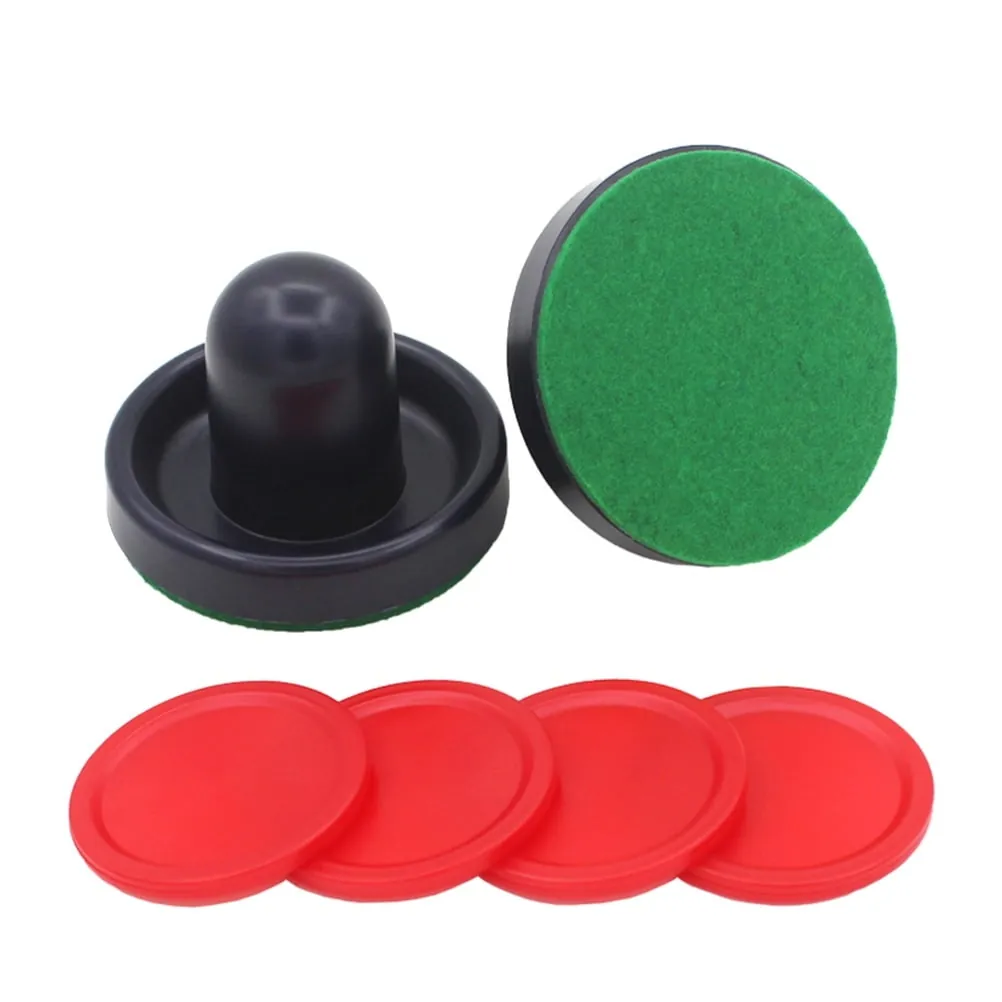
Wipe the puck with a dry cloth after each session. Oily fingerprints and dust cling to the puck and drag across the surface. If the puck has grooves or cracks, replace it, since uneven edges make the puck wobble and skip.
Caring for the Mallets
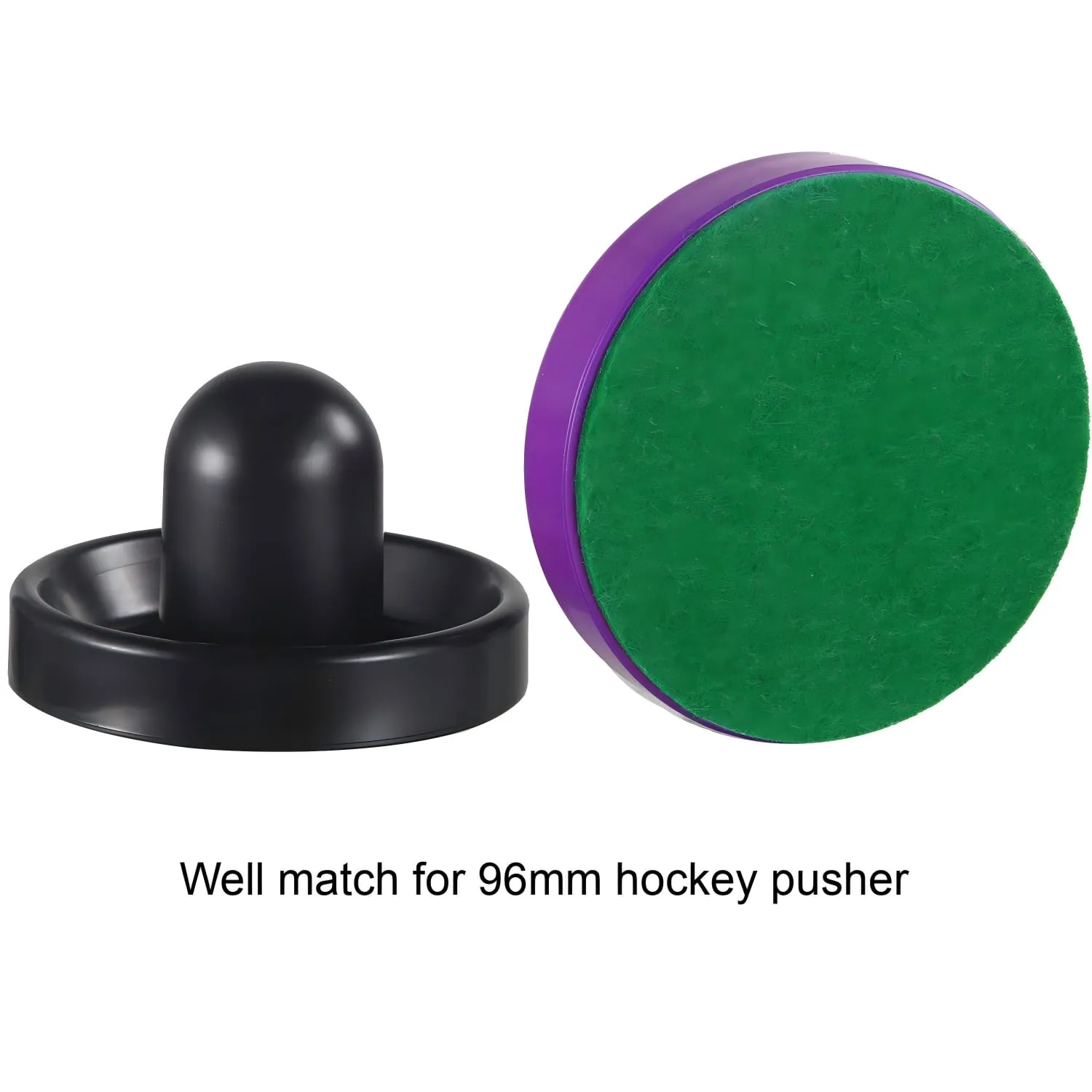
Check the base of each mallet. Wipe the bottom clean with a damp cloth and dry it. A dirty mallet base picks up grit that scratches the surface and slows the puck.
Choosing Replacement Pucks
If you need a replacement, match the diameter and weight of the original. Mismatched pucks change how the table plays and can cause the blower to behave differently.
How Do Cushions and Rails Affect Smoothness?
The rails bounce the puck back into play. Worn or hardened cushions make the puck die on contact, which feels sluggish.
Look for these signs of wear:
- The puck loses speed after hitting a rail
- Cushions look cracked, flattened, or shiny
- The puck skips or jumps along a particular rail
Pro Tip: Clean the rails with the same mild cleaner you use on the surface, then check whether the cushion bounce improves before deciding on replacement.
Replacement cushion strips are sold for many table models. Measure the existing strip and check the table’s model information before ordering.
Frequently Asked Questions
Why does my air hockey puck stop moving so fast?
A puck that slows quickly usually has a dirty surface, weak airflow, or a tilted table. Clean the surface, check that the blower is running at full power, and level the table. Then test again with a clean puck.
How often should I clean my air hockey table?
Wipe the surface and puck after heavy use, and do a deeper cleaning of the holes and blower intake every few months. Dusty rooms or frequent play mean more frequent cleaning.
Can I use furniture polish on the playing surface?
Avoid furniture polish. Its oils and silicones can leave a film that increases friction and attracts more dust. Stick to a damp cloth with mild soap and water.
Does the blower need oil or lubrication?
Most air hockey blowers are sealed and don’t need user lubrication. Check your owner’s manual before adding anything, since the wrong product can damage the motor.
When should I replace the whole table instead of repairing it?
Consider replacement if the blower motor has failed, the playing surface is cracked or warped, or repairs would cost more than a new table. A warped surface can’t be leveled into smooth play.
Conclusion
Start with leveling and cleaning the surface today, since those two steps fix most smoothness problems at no cost. Once the table plays evenly, check the puck, mallets, and cushions to lock in a consistent glide.
About the Author Eric Glenn
I launched this blog to provide advanced material, guiding you towards a better and more comfortable gaming tools experience. I deliver more than gaming gear guides, and motivate people to play games and keep the fitness forever!

