

How to Stop Air Hockey Pucks Flying: Simple Table Fixes
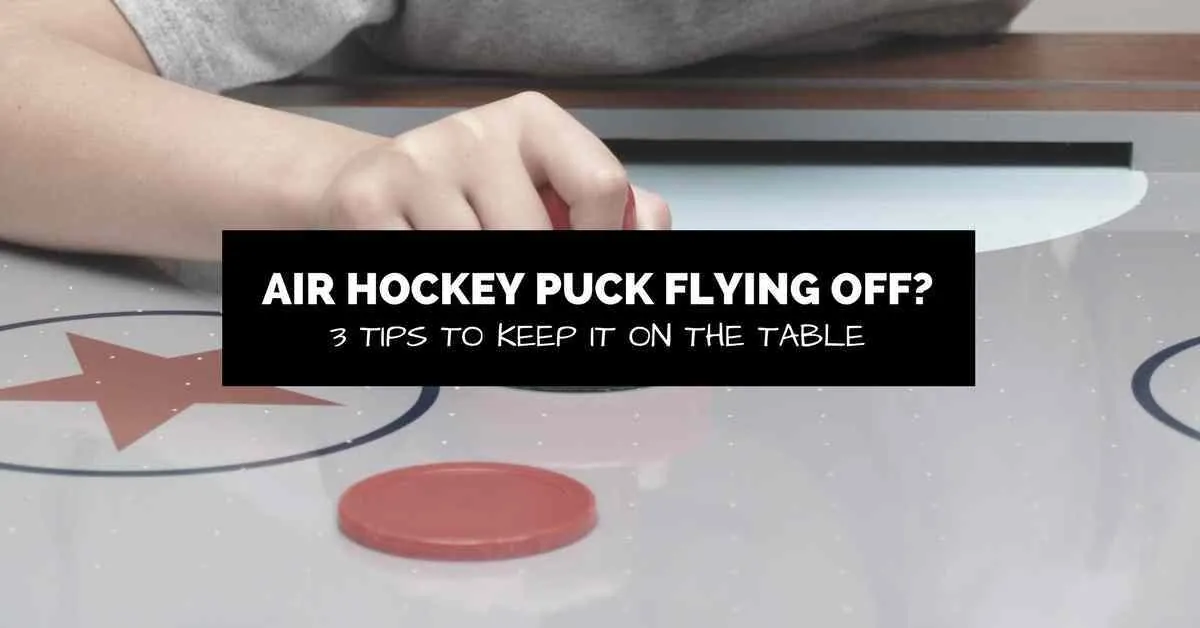
Air hockey pucks fly off the table for a handful of predictable reasons: the table is tilted, the air flow is too strong or uneven, the surface is dirty, or the players are hitting harder than the table was built for. Most of the time you can fix it in a few minutes with a level, a cloth, and a look at the blower settings. This guide walks through each cause in order, so you can find the one that applies to your table.
Key Takeaways
- Level the table first: even a small tilt sends the puck toward one end, and it can launch off the edge.
- Clean the playing surface with a dry, lint-free cloth to remove dust and grit that disrupt the air cushion.
- Check the blower and air holes for blockages, since uneven airflow lifts pucks unevenly.
- Adjust the air setting on the blower if your table has one, and keep it at a moderate level.
- Use the right puck for your table and keep the rim and edge guards in place.
Why Pucks Fly Off the Table
An air hockey table works by pushing air up through a pattern of small holes in the playing surface. That air forms a thin cushion, and the puck floats on it. When the cushion is even, the puck slides smoothly. When it isn’t, the puck can lift too high, skip sideways, or get launched over the rail.
Three things usually cause this: uneven air pressure from the blower or clogged holes, an unlevel surface that pushes the puck toward one edge, and excess speed from aggressive play that overwhelms the cushion. Work through the sections below in order, because the first one is the most common cause.
Level the Table Properly
A table that isn’t level is the most frequent reason pucks reach the rails and escape. Gravity pulls the puck toward the low side, and it builds speed as it goes.
Check Level with a Bubble Level
- Place a small bubble level on the playing surface, first along the length and then across the width.
- Note which way the bubble drifts. The bubble moves toward the high side.
- Adjust the leveling feet at each corner. Turn them clockwise to raise a corner and counterclockwise to lower it.
- Recheck in both directions and repeat until the bubble sits centered.
Pro Tip: Adjust one corner at a time and recheck after each turn. Changing several feet at once makes it hard to tell which adjustment fixed the tilt.
Floors are rarely perfectly flat, so you may need to shim the feet on a sloped floor rather than only turning the adjustment screws. Some tables have a built-in level indicator, and it’s still worth confirming with a separate bubble level.
Clean the Playing Surface
Dust, crumbs, and grit sit in the air holes and on the surface, where they break up the air cushion and make the puck wobble. A dirty surface also increases friction in uneven patches, which can send the puck skittering.
What to Use
- A soft, dry, lint-free cloth for routine dusting
- A slightly damp cloth with mild soap for sticky spots, followed by a dry wipe
- A soft brush or a can of compressed air for the holes
Warning: Don’t spray liquid cleaners directly onto the table. Moisture can seep into the blower housing and the surface seams. Apply any cleaner to the cloth, never to the table.
Clean the surface before each session if the table gets heavy use. A quick wipe-down takes less than two minutes and prevents most of the erratic bounces that happen on a dirty table.
Check the Air Holes and Blower
If the cushion is uneven, the puck will lift unevenly. Check whether any holes are blocked, and confirm the blower is working as it should.
Inspect the Holes
- Turn the table off and unplug it.
- Look closely at the surface under good light and identify any holes that look dark, filled, or partly covered.
- Clear them gently with a soft brush or a puff of compressed air. Avoid pins or sharp tools, which can enlarge or damage the holes.
Listen to the Blower
A healthy blower produces a steady, even hum. Rattling, grinding, or a sudden change in pitch suggests debris in the fan or a loose part. Shut the table off and remove any visible debris from the vents on the blower housing. Keep those vents clear of dust, because a clogged intake makes the fan work harder and produces uneven air output.
If the blower sounds damaged or the table still lifts pucks after cleaning, a worn fan or motor may need replacing. Contact the manufacturer before opening the housing, because a voided warranty or an electrical fault is a real risk.
Adjust the Air Setting
Many tables have a switch or dial that controls blower speed. A setting that’s too high produces a cushion strong enough to launch the puck, while one that’s too low lets the puck drag and stick.
Find the Right Balance
| Setting | Typical Effect | When to Use It |
|---|---|---|
| Low | Puck slides slowly and may stick | Young players, or very small tables |
| Medium | Even glide with controlled speed | Most everyday play |
| High | Fast puck with a tendency to lift and fly | Experienced players on a level table |
Start at the medium setting and adjust in small steps. If pucks fly off only during hard shots, the table is usually fine and the setting only needs a small reduction.
Choose Pucks to Stop Them Flying
A puck that’s too light or cracked lifts more easily, and a mallet that hits hard drives the puck into the rail. Check the puck for chips and make sure it’s the size your table takes. Replace it if it has visible damage or flat spots.
Mallets matter too. Heavy mallets generate more force. Many players and house tables work better with a moderately weighted mallet, since it gives control without encouraging the wild swings that send pucks over the edge.
Use Rail Guards and Keep the Edges Intact
Rail guards and bumpers absorb impact and keep the puck in play. If your table has them, make sure they’re secure and undamaged. Loose bumpers let the puck bounce out through gaps near the corners.
Pro Tip: Check the goal areas and corners first. These are where pucks most often escape, and a small gap or loose piece there’s easy to miss.
Teach Safe, Controlled Play
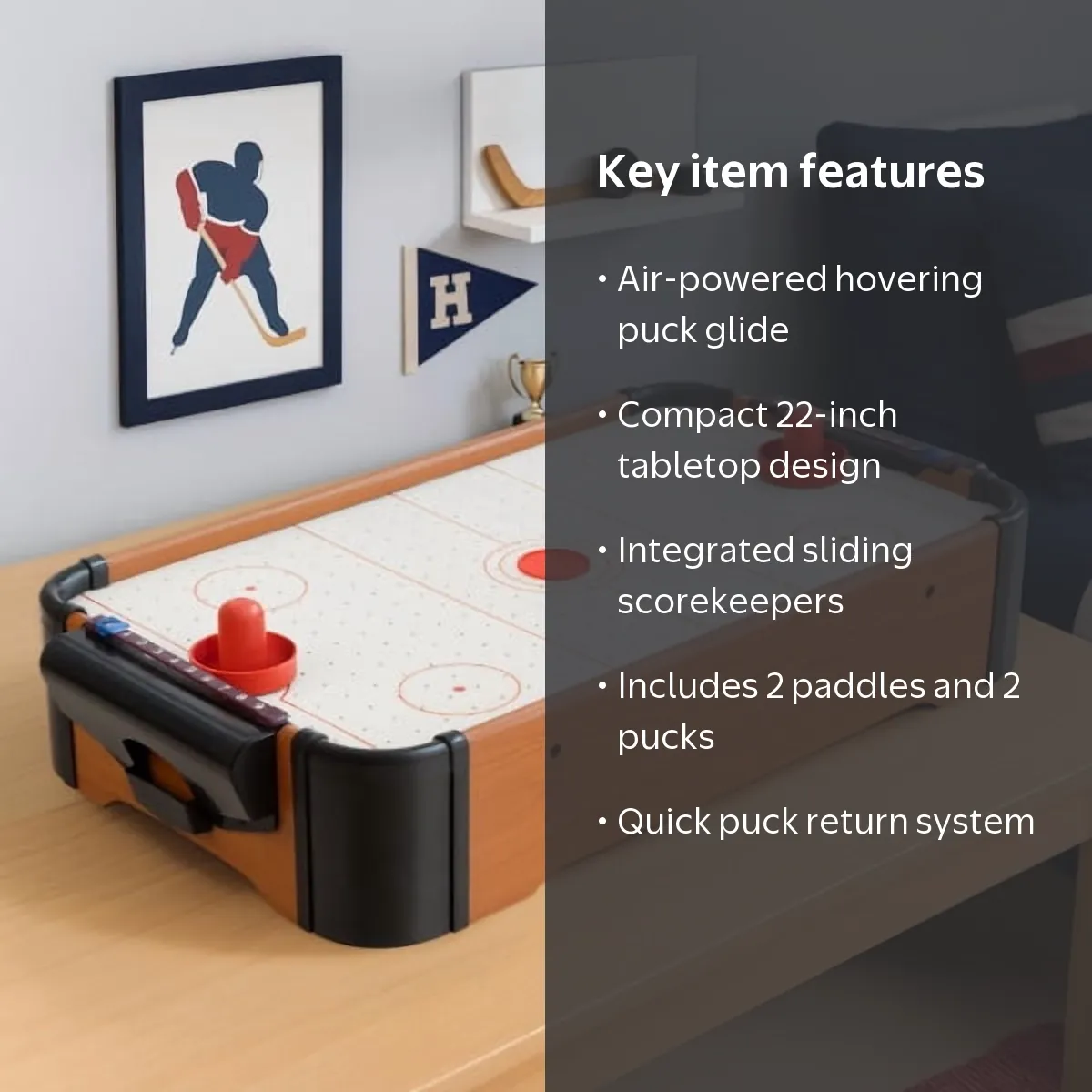
Some pucks fly off because players are hitting too hard. Set a simple house rule that encourages controlled shots, especially for children. This does more to prevent flying pucks than any single adjustment. Players should also stand back from the table and avoid reaching across it during play, since a fast puck can strike someone.
Frequently Asked Questions
Why does my air hockey puck keep flying off the table?
The most common causes are an unlevel table, a dirty surface, blocked air holes, or a blower set too high. Check the level first, because a tilt sends pucks toward one edge. Then clean the surface and inspect the holes.
How do I level an air hockey table without a special tool?
A small bubble level from a hardware store works well. Place it on the surface in both directions and turn the leveling feet at each corner until the bubble is centered. Shim the feet if the floor itself is sloped.
Can I use any cleaner on my air hockey table?
Use a soft dry cloth or a slightly damp cloth with mild soap, and never spray liquid directly onto the table. Moisture can damage the blower and seams. Check the manufacturer’s care instructions before using anything stronger.
Will a stronger blower stop pucks from flying?
Not usually. A stronger airflow lifts the puck higher, which often makes flying worse. Even air distribution and a level table do far more than raising the blower output. Keep the setting moderate and fix the other causes first.
Conclusion
Once the table is level, clean, and set to a moderate air level, most flying-puck problems disappear. Start by checking the level today, then work through the surface, holes, and blower setting in that order. Keep the puck and rail guards in good condition, and your table should stay in play as intended.
About the Author Eric Glenn
I launched this blog to provide advanced material, guiding you towards a better and more comfortable gaming tools experience. I deliver more than gaming gear guides, and motivate people to play games and keep the fitness forever!

