
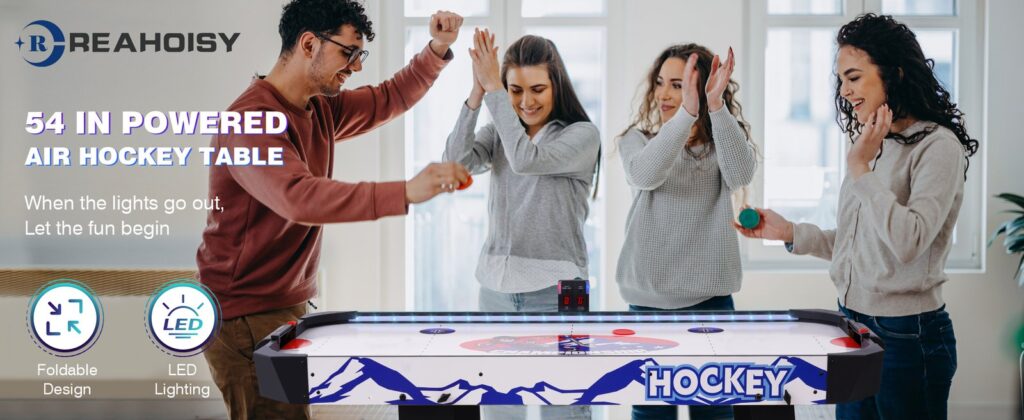
Can Air Hockey Table Stay Outside? The Definitive Answer
No, a standard air hockey table can’t stay outside under any circumstances. Rain, humidity, and extreme temperature shifts will destroy the internal components and the playing surface in just a few weeks. You should store your equipment in a climate-controlled room or a dry garage to prevent permanent damage to the blower and the MDF board.
Situations for air hockey table storage
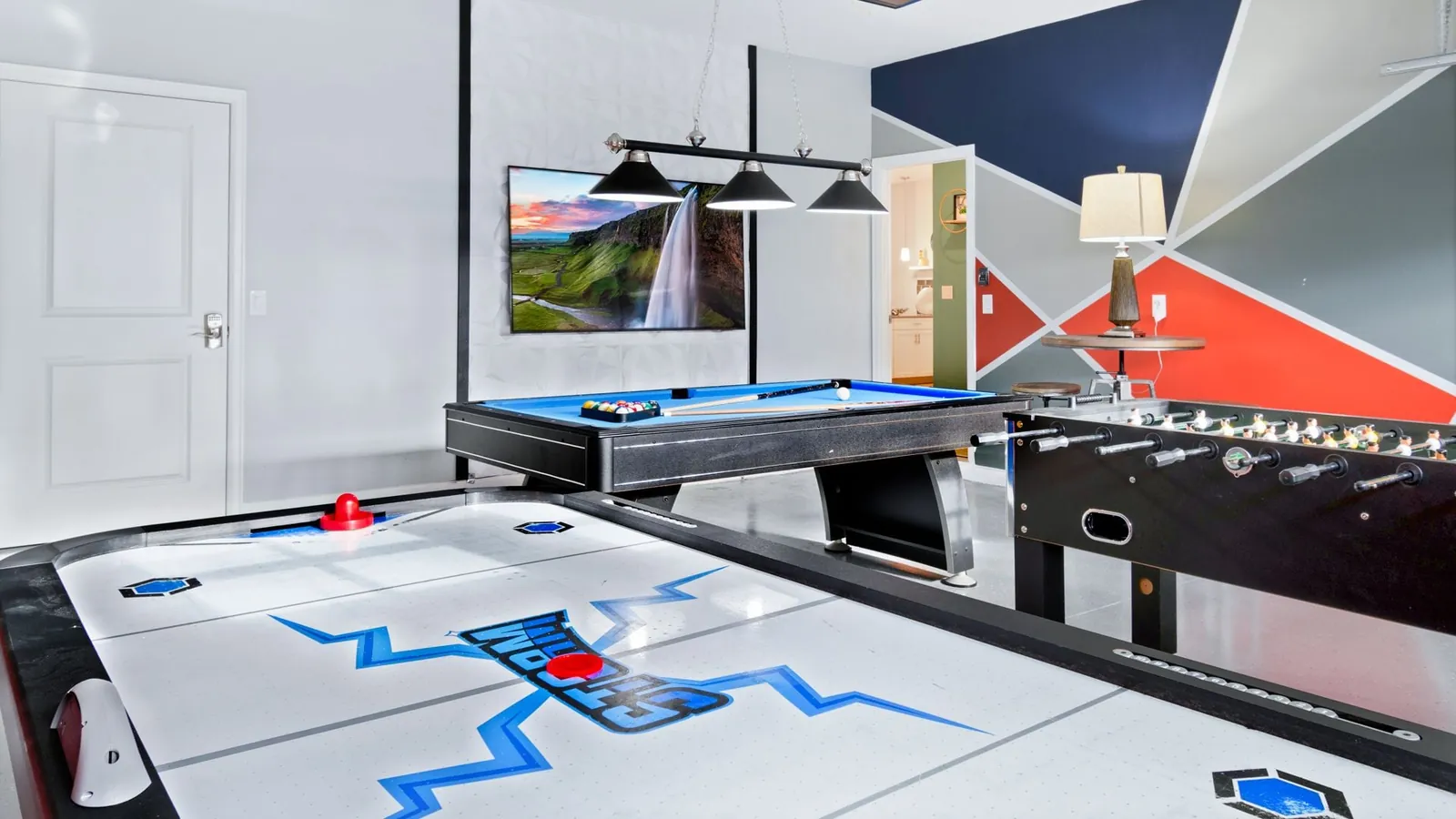
Most residential models are designed strictly for indoor use and lack the protective seals found on outdoor-rated gaming furniture. The following table helps you determine if your specific environment is suitable for your table.
| Your situation | Answer | Why |
|---|---|---|
| Covered patio | No | Moisture ruins electrical parts |
| Unheated garage | No | Humidity causes board warping |
| Climate-controlled room | Yes | Protects blower and surface |
| Direct sunlight | No | Fades finish and cracks plastic |
| High humidity zone | No | Damages internal wood structure |
If your table sits in a garage, check for condensation on the metal legs after a cold night. If you see water droplets, the internal blower motor is already absorbing that same moisture. This leads to short circuits that are rarely covered by manufacturer warranties.
Treat your table like a high-end television rather than patio furniture. If the space isn’t insulated enough to keep you comfortable in a t-shirt, it’s too harsh for the sensitive electronics inside. Always prioritize a room with a stable ambient temperature to prevent the playing surface from bowing under pressure.
Factors that ruin outdoor air hockey tables
The primary reason these tables fail outdoors is the construction material. Most tables use Medium Density Fiberboard (MDF) for the playing surface and the cabinet. MDF acts like a sponge when it encounters moisture, swelling and crumbling as it absorbs water from rain or high humidity. Once the surface warps, the puck will no longer glide smoothly, making the game unplayable.
The electronic blower is the second major point of failure. This component draws in air to create the cushion for the puck; if it sucks in humid air or water droplets, the motor will rust or suffer a short circuit. According to the Consumer Product Safety Commission, electrical equipment kept in damp environments poses a fire risk if the wiring becomes compromised.
Temperature fluctuations also play a significant role in the degradation of the unit. Extreme heat causes the adhesive holding the surface laminate to loosen, while freezing temperatures make the plastic components brittle and prone to cracking. If the table is kept in a space that isn’t temperature-stable, the internal components will lose their structural integrity over time.
Steps for indoor protection
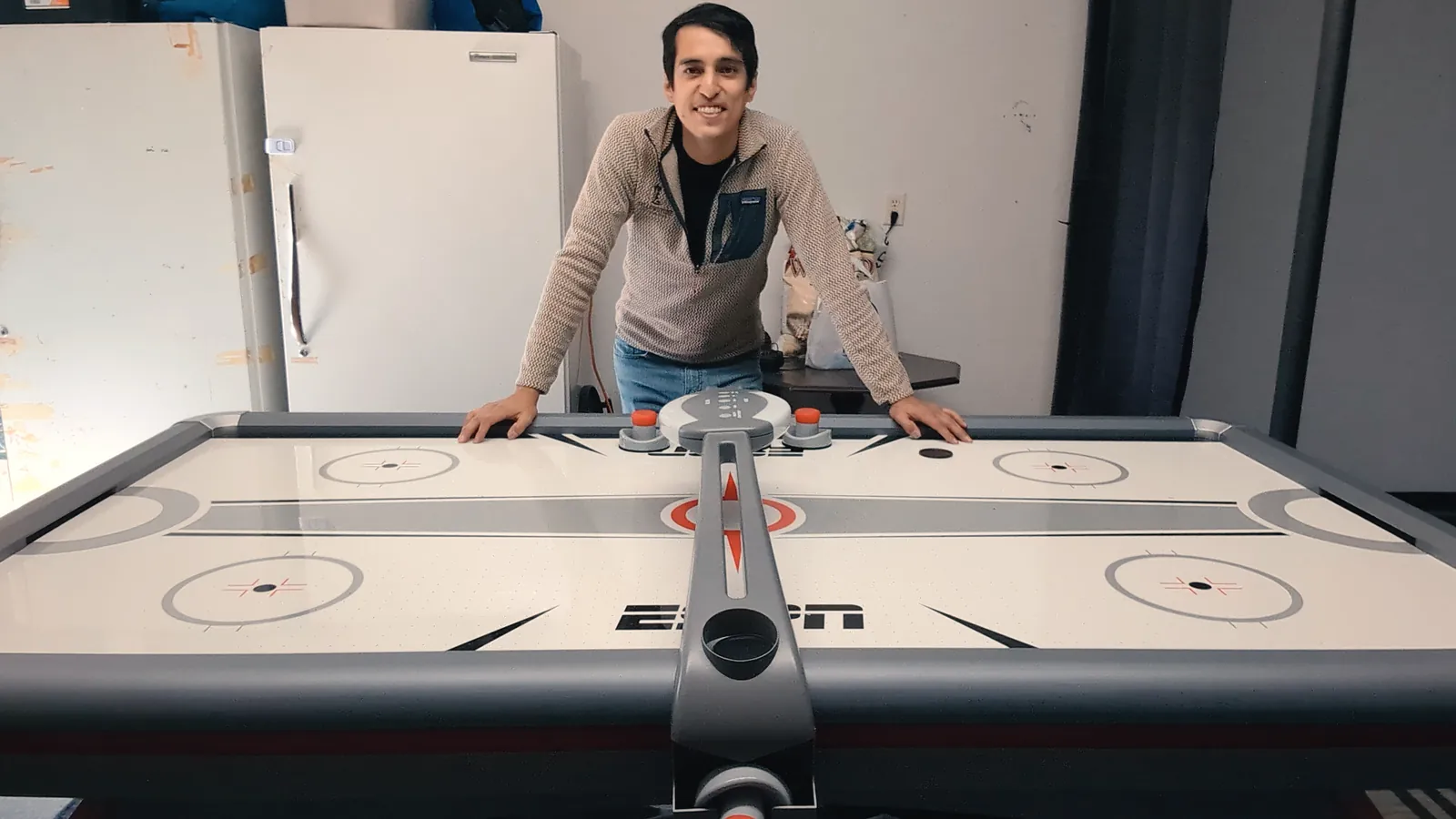
If you have an indoor space, you must follow these steps to keep the table in good working condition.
Level the surface. Use a spirit level on the playing area and adjust the leg levelers until the bubble sits perfectly in the center. A table that sits unevenly causes pucks to drift, which forces players to compensate with harder strikes that eventually warp the laminate.
Clean the surface. Wipe the board with a soft, dry cloth after every few games to remove dust and debris that can clog the air holes. If you notice the puck dragging, use a mild glass cleaner, but never use abrasive soaps that strip the finish.
Cover the table. Place a heavy-duty vinyl or cloth cover over the table when it isn’t in use to prevent dust accumulation inside the blower intake. Dust buildup here acts as an insulator, causing the motor to overheat during extended sessions.
Check the blower. Turn the unit on periodically to ensure the motor stays lubricated and doesn’t seize up from lack of use; consult your owner’s manual for specific guidance based on your usage.
Inspect the puck. Replace any chipped or cracked pucks immediately. Damaged edges act like sandpaper, creating deep gouges that permanently ruin the table’s smooth glide.
The mistake people make
The most common mistake is using a standard tarp to cover a table left on a porch or patio. A tarp doesn’t stop humidity from reaching the wood, and it often traps condensation underneath it, which accelerates the rotting process. This mistake usually costs the entire value of the table within one season.
You can avoid this by checking the manufacturer’s manual for the operating environment requirements. If the document doesn’t explicitly state outdoor-rated, the table is strictly for indoor use only.
If you live in a climate with high humidity, even a covered table will suffer. Moisture settles into the particleboard core, causing the surface to warp and the internal blower motor to corrode. If your table lacks a sealed, weather-resistant finish, move it inside during the winter months. A simple rule applies: if the air feels damp to your skin, it’s already damaging your table.
When to stop and get help
Some issues require professional attention rather than a DIY fix. You should stop attempting repairs if you notice any of these signs:
The blower makes a grinding or high-pitched screeching noise. This indicates a failing motor bearing. If you hear this, disconnect the power immediately to prevent the motor from seizing or starting a fire.
You smell burning plastic or see smoke. This suggests an electrical short. Don’t attempt to bypass the wiring; consult a certified electrician to inspect the internal components.
The playing surface has visible waves or bubbling. This means the wood core has absorbed moisture and is permanently damaged. No amount of sanding or patching will restore the airflow consistency required for play.
The table frame feels unstable or wobbles. This indicates structural failure in the joints or legs. If you notice persistent swaying, stop using the table before the frame collapses, which could cause injury or break the remaining hardware.
Frequently asked questions
Can I use a special spray to waterproof my table?
No, waterproofing sprays don’t work on air hockey tables because they can’t seal the thousands of tiny air holes needed for gameplay. If you clog these holes with sealant, the air flow will stop, and the puck won’t float.
How long does a table last indoors?
A well-maintained table lasts for a significant duration when kept in a stable, climate-controlled room. The lifespan depends on how often you clean the surface and how carefully you handle the power switch to avoid electrical surges.
Is it safe to play if the table is slightly damp?
No, it’s never safe to turn on a table that has been exposed to dampness. Water inside the blower can cause a short circuit or an electric shock, so you must wait until the internal parts are completely dry before plugging it in.
What happens if I leave the table in the garage?
The wood components will absorb moisture from the air, causing the table to warp and the blower to fail. Even in a closed garage, the temperature swings and humidity levels are usually enough to degrade the MDF board within a single season.
Does it matter if the garage is insulated?
Yes, it matters because insulation alone doesn’t control humidity levels. Unless you have a dehumidifier running to keep the air dry, an insulated garage will still cause the internal wood of the table to swell and weaken over time.
Storing your air hockey table properly
Move your table into a finished basement or a spare room immediately to prevent further exposure to environmental damage. You’ll know the table is safe when the playing surface remains flat and the blower operates with a consistent, quiet hum.
If you notice any electrical burning smells or the surface shows signs of warping, stop using the unit and consult a professional technician for an inspection.
Place the table on a level concrete or hardwood floor to avoid uneven pressure on the frame. If you notice the puck dragging in specific zones, the surface has likely bowed due to humidity. Use a carpenter’s level to confirm the flatness. If the bubble sits off-center, shim the legs before plugging the motor back in to prevent permanent mechanical strain.
About the Author Eric Glenn
I launched this blog to provide advanced material, guiding you towards a better and more comfortable gaming tools experience. I deliver more than gaming gear guides, and motivate people to play games and keep the fitness forever!

