
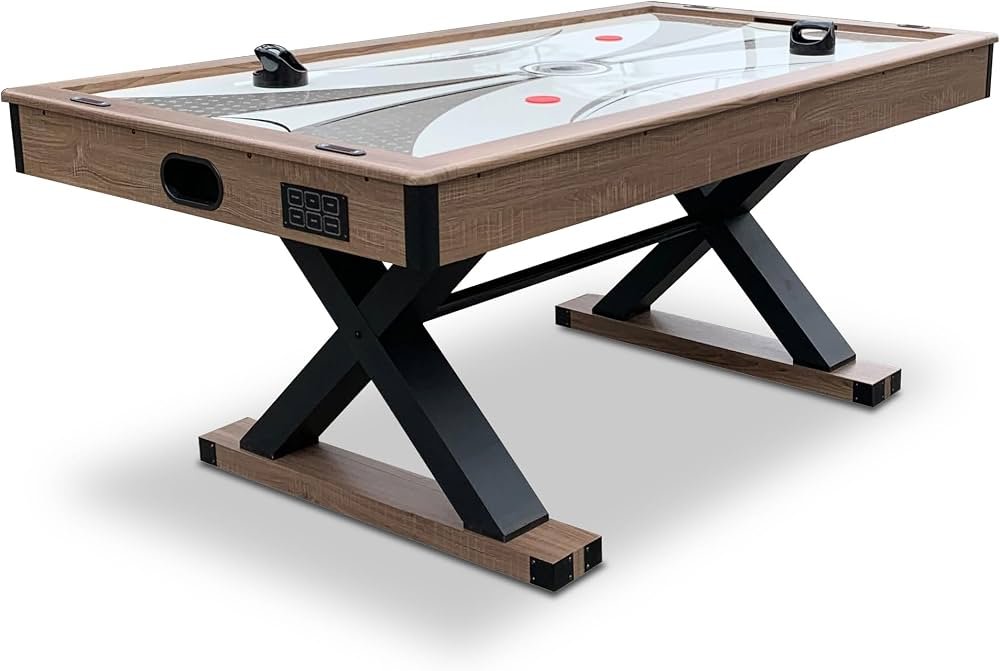
Can You Use Pledge on Air Hockey? Why You Should Avoid It
No, you should avoid using sprays like furniture polish on your gaming surface. While it might seem like a quick fix, the reality is that you can use pledge on air hockey only if you’re willing to risk damaging the puck’s movement and clogging the air holes. You should grab a clean, dry microfiber cloth instead to maintain your table’s performance safely.
Using Pledge on your air hockey table
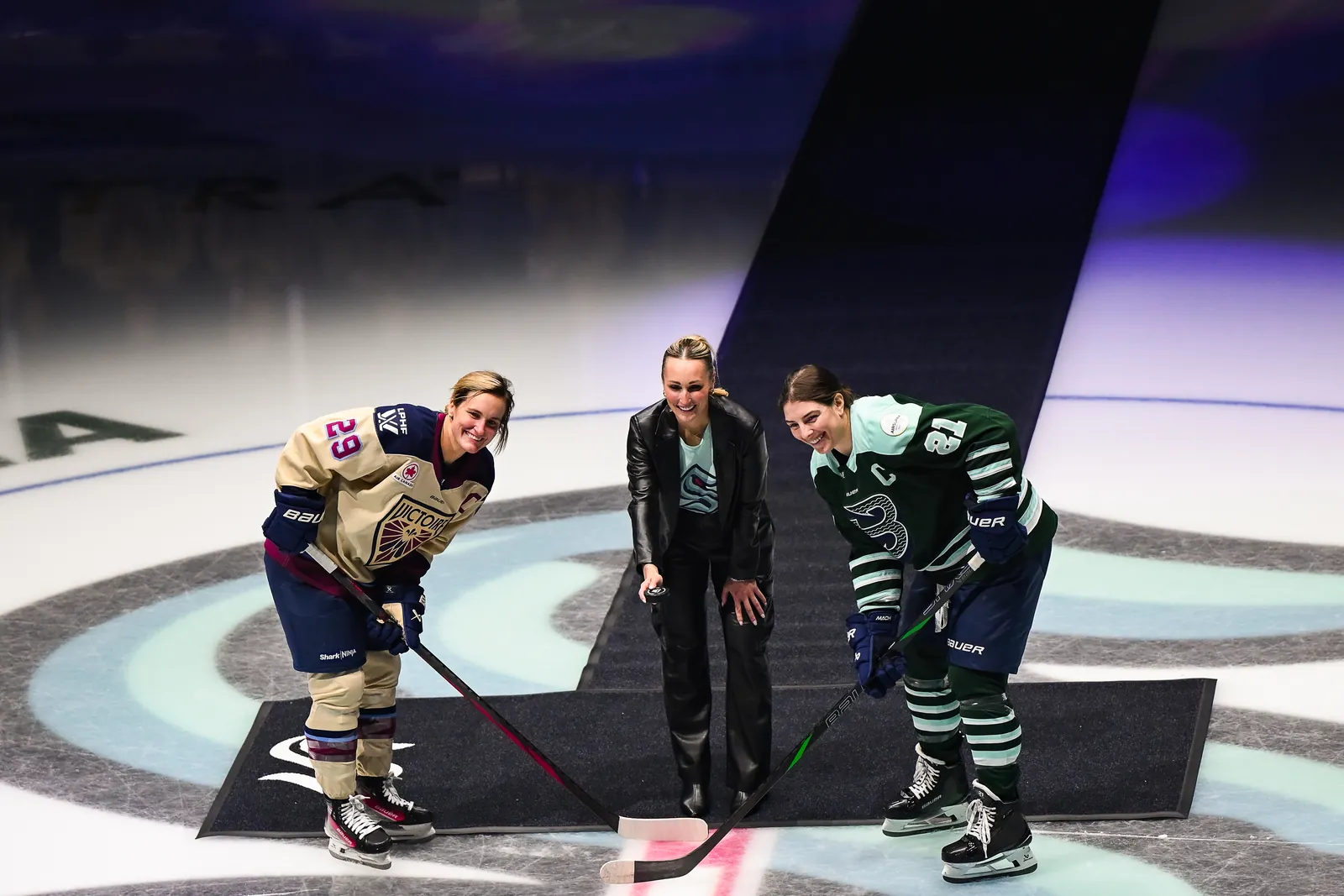
Knowing when to clean your table is important for keeping the game fair and fast. Most home tables require a gentle touch to ensure the airflow remains consistent across the entire play area.
| Your situation | Answer | Why |
|---|---|---|
| Dust on the surface | Yes, dry cloth | Removes debris without chemicals |
| Sticky drink spills | Yes, damp cloth | Water cuts through residue safely |
| Slow puck movement | No, avoid wax | Sprays create thick, uneven buildup |
| Clogged air holes | No, avoid spray | Residue blocks critical airflow paths |
| Scratches on plastic | No, avoid polish | Polish fills gaps, trapping dirt |
Why furniture polish ruins gameplay
The primary reason to avoid furniture polish is the chemical composition of these products. Most sprays contain silicone or wax-based ingredients designed to create a glossy, slick finish on wood surfaces. When applied to an air hockey table, these substances don’t evaporate. Instead, they settle into the tiny perforations that provide the lift for the puck.
Over time, this sticky residue attracts dust and small particles. As the air blows through the holes, it pushes this mixture outward, creating a gummy film that slows the puck down significantly. This film is difficult to remove without using harsh solvents that might strip the finish off your specific table material. If you use a silicone-based cleaner, you risk creating “dead zones” where the air pressure drops because the holes are partially blocked.
You must also consider the friction levels required for the game. Air hockey relies on a thin cushion of air to minimize contact between the puck and the surface. Adding any liquid or wax increases surface tension, which changes how the puck reacts when it hits the walls. If the surface becomes too slick in one spot and tacky in another, the game becomes unpredictable and frustrating.
If the table is made of laminate, use only water; if it’s a specialized composite, follow the manufacturer’s cleaning manual.
Cleaning your table the right way
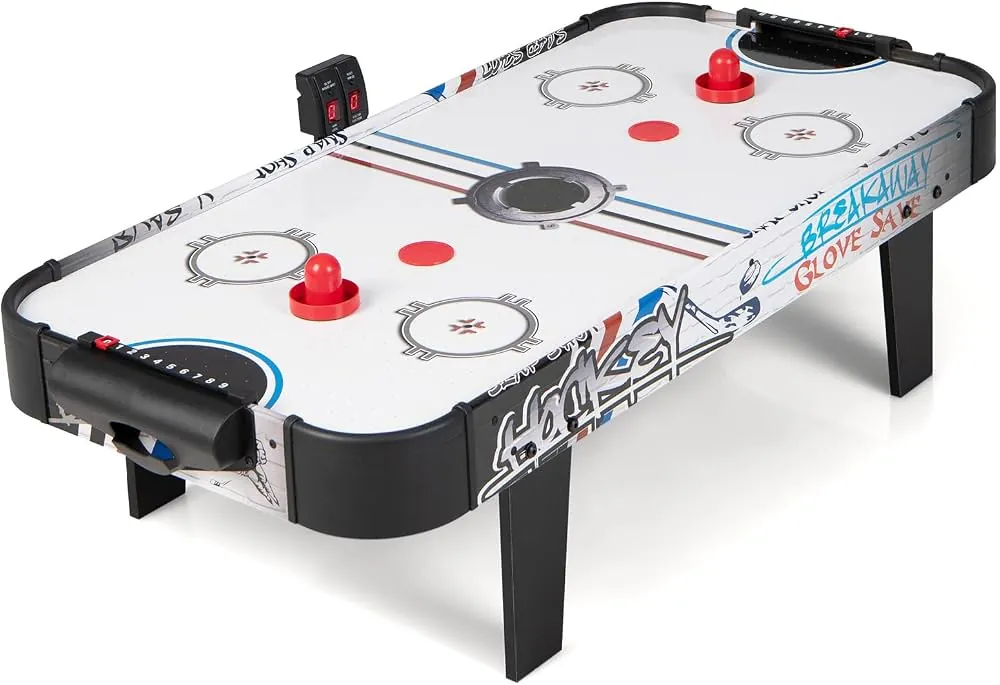
Maintaining a fast playing surface is simple when you use the correct tools and methods. Follow these steps to keep your table in top shape without risking damage.
- Clear the surface of all pucks and mallets before you start.
- Wipe the area with a clean, dry microfiber cloth to pick up loose dust.
- Use a vacuum with a soft brush attachment to gently clear the air holes.
- Dampen a cloth with plain water if you find sticky spots.
- Dry the surface immediately with a second dry cloth to prevent moisture buildup.
- Check the airflow by turning the blower on for 30 seconds to blow out any loosened debris.
If you have a stubborn stain that doesn’t come off with water, you can use a very small amount of mild dish soap diluted in water. Always test a tiny, hidden corner of the table first to ensure the finish doesn’t react poorly to the soap. The Consumer Product Safety Commission provides general guidance on maintaining home equipment to ensure materials remain safe for long-term use.
The mistake people make
The most common error is applying the spray directly onto the table surface. This causes the liquid to pool around the holes, where it’s instantly forced into the internal blower system once you turn the power on. This mistake costs you performance and can eventually lead to a motor failure if the internal components become coated in oily residue.
You should always spray your cleaning cloth away from the table, never the table itself. If you notice the puck dragging or catching on the surface, don’t reach for the Pledge immediately. First, check if the air holes are clogged with dust. If the airflow is weak, no amount of polish will restore the glide.
Professional help for table issues
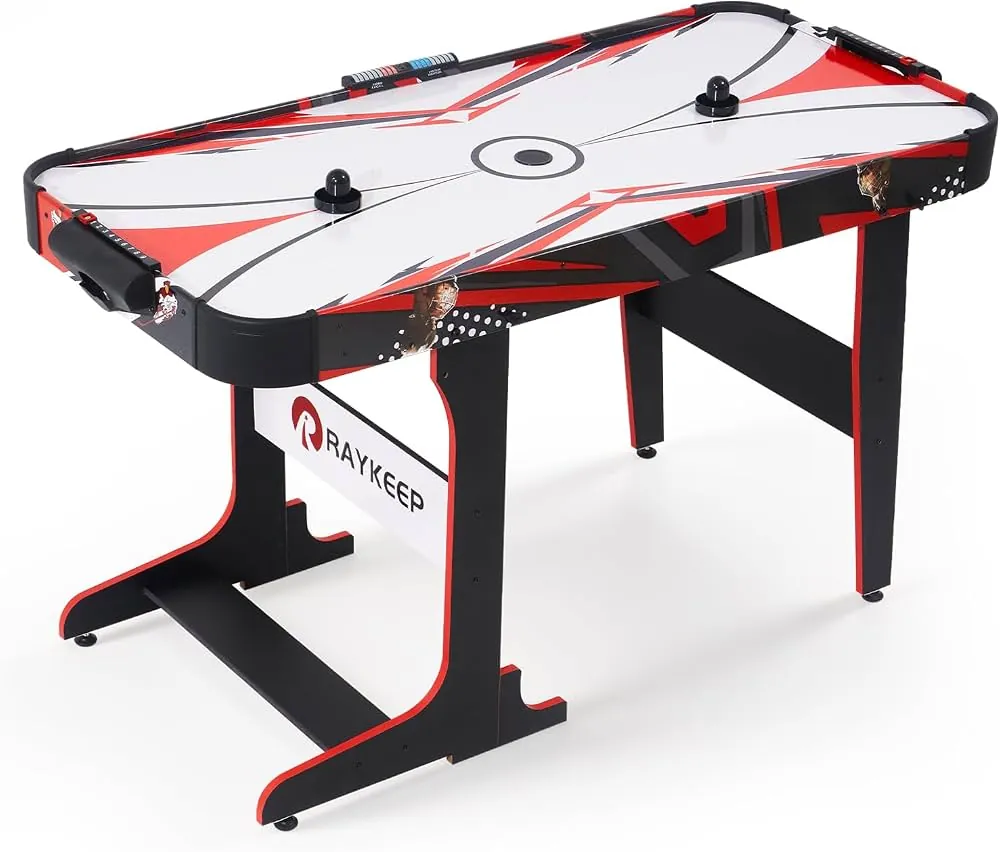
Sometimes, the issue isn’t the surface but the mechanical system underneath. You should stop attempting DIY fixes and contact a professional if you notice these signs:
- The blower motor makes a grinding or high-pitched noise.
- Airflow is uneven despite the surface being perfectly clean.
- The table surface shows deep cracks or warping that a cloth can’t fix.
- You smell burning plastic when the fan is running.
If the internal blower is damaged, a technician is required to prevent electrical hazards. Never attempt to open the motor housing yourself, as this can void your warranty and poses a risk of electric shock.
Frequently asked questions
How often should I clean the surface?
You should wipe the surface with a dry cloth after every few games to prevent dust accumulation. If the table sits in a dusty room, a weekly wipe-down is sufficient to keep the air holes clear. Keeping the table covered when not in use is the most effective way to reduce how often you need to clean it.
What is the best way to remove scratches?
You can’t easily remove deep scratches from an air hockey table surface yourself. Minor scuffs often respond to a gentle buffing with a dry, soft cloth, but deeper marks usually remain as part of the table’s wear. Avoid using abrasive compounds, as these will permanently damage the smooth finish required for the air to lift the puck.
Can I use rubbing alcohol to clean the table?
You should avoid using rubbing alcohol on most air hockey surfaces. Alcohol can strip the factory-applied finish or dry out plastic components, making them brittle over time. Stick to plain water or a very mild, non-abrasive soap solution to ensure you don’t degrade the material’s integrity during routine maintenance.
Why does the puck stop in certain spots?
The puck stops in specific areas usually because the air holes in those spots are blocked by debris or residue. Check the holes in that area for visible clogs and use a toothpick to gently clear any trapped dust. If the holes are clean but the puck still stops, the table surface might be warped or the blower may have lost power.
Is it safe to use glass cleaner?
You shouldn’t use glass cleaner on your air hockey table. Many glass cleaners contain ammonia or other harsh chemicals that can cloud the plastic or laminate surface. These chemicals can also leave a film that creates more friction, which is the exact opposite of what you want for a fast-paced game.
How do I know if the blower is failing?
The blower is likely failing if you notice a significant drop in air pressure across the entire table. If the fan sounds weak or the airflow feels inconsistent even after you have cleaned the surface and the air intake vents, the motor may be wearing out. Contact the manufacturer to see if a replacement part is available for your specific model.
Starting your table maintenance
Start by wiping the entire surface with a dry microfiber cloth to remove dust. A smooth, clean surface will allow the puck to glide easily across the entire board.
If you notice the puck still drags after cleaning the holes, stop and check the blower motor’s intake filter for blockages. The issue is likely mechanical rather than a surface problem.
Never use Pledge or any wax-based polish on your air hockey table. These products leave a sticky residue that traps dust and clogs the air holes. If the table feels tacky to the touch, you have already applied too much product. Strip the surface immediately with a solution of one part white vinegar to four parts water, then buff dry to restore the original airflow.
About the Author Eric Glenn
I launched this blog to provide advanced material, guiding you towards a better and more comfortable gaming tools experience. I deliver more than gaming gear guides, and motivate people to play games and keep the fitness forever!

